The Marrakech Medina is a labyrinth of narrow streets, bustling souks, and hidden palaces that has mesmerized travelers for centuries. This ancient walled city, a UNESCO World Heritage site, spans over 600 hectares and contains more than 2,400 alleyways—making it one of the largest and most intact historic city centers in the Arab world.
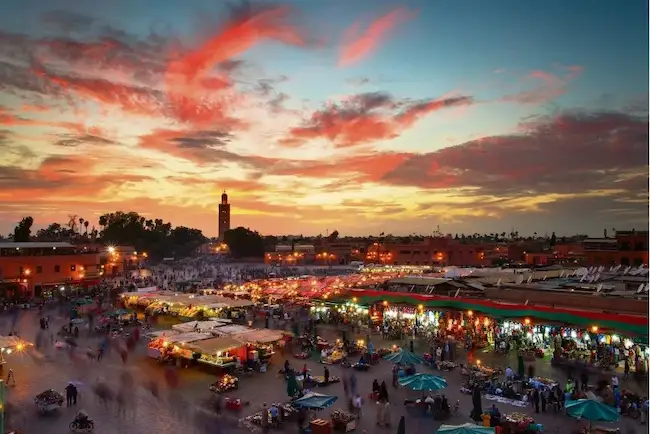
At its heart lies Jemaa el-Fna, Morocco's most famous square, where snake charmers, storytellers, and food vendors create a sensory experience unlike anywhere else on Earth. Beyond the square, the medina reveals architectural treasures, traditional workshops, and authentic Moroccan life unchanged for generations.
Quick Facts
If someone tells you the souk is 'closed today' or insists on showing you a shortcut, smile and keep walking — it's the oldest move in the book. Use your phone's map; the medina is far more navigable than it feels.
Did You Know?
Jemaa el-Fna has been a living marketplace for over 1,000 years and is recognised by UNESCO as a Masterpiece of Oral and Intangible Heritage of Humanity.
Key Takeaways
- Plan at least 2-3 full days to properly explore the medina's major attractions and hidden gems
- Getting lost is normal and part of the adventure—use offline maps and mark your accommodation location
- Visit Jemaa el-Fna both day and night to experience its complete transformation
- Hire a licensed guide for your first day to understand the layout and learn navigation tricks
- Dress modestly, stay hydrated, and carry small bills for purchases and potential "guide" fees
Table of Contents
- Understanding the Marrakech Medina
- Jemaa el-Fna: Heart of the Medina
- Must-See Attractions & Monuments
- Navigating the Souks: Shopping Guide
- Hidden Gems & Secret Spots
- Where to Eat in the Medina
- Navigation Tips & Getting Around
- Practical Tips for Visitors
- Sample 3-Day Medina Itinerary
- Frequently Asked Questions
Understanding the Marrakech Medina: History & Layout
Founded in 1070-1072 by the Almoravid dynasty, Marrakech's medina has served as Morocco's political and cultural capital for nearly a millennium. The distinctive pink-red walls that surround the old city stretch for 19 kilometers, punctuated by 20 gates and 200 towers.
The Medina's Structure
The medina is organized around Jemaa el-Fna square, with neighborhoods (derbs) radiating outward like spokes on a wheel. Major souks (markets) occupy the northern section, while residential areas, palaces, and madrasas (Islamic schools) are scattered throughout.
Medina by Numbers:
- 🔹 Founded: 1070-1072 AD
- 🔹 Size: 600+ hectares
- 🔹 Alleyways: Over 2,400
- 🔹 Population: Approximately 150,000 residents
- 🔹 UNESCO Status: World Heritage Site since 1985
- 🔹 Wall Length: 19 kilometers with 20 gates
Main Entry Points
- Bab Agnaou: Historic gate near Kasbah area, beautifully decorated
- Bab Doukkala: Western gate connecting to modern Guéliz
- Bab el-Khemis: Northern gate near the famous Thursday market
- Bab Debbagh: Eastern gate near the tanneries
Local Tip
When arriving at the medina from the airport, pre-booked transfers can drop you at the gate closest to your riad, saving you the challenge of navigating with luggage through narrow alleys. Most riads offer porter services from the nearest vehicle-accessible point.
Jemaa el-Fna: Heart of the Medina and Soul of Marrakech
No visit to Marrakech is complete without experiencing Jemaa el-Fna, arguably Africa's most famous public square. This UNESCO-recognized "Masterpiece of Oral and Intangible Heritage" has been the city's beating heart for nearly 1,000 years.
Daytime Experience (Morning - Early Afternoon)
During daylight hours, the square is relatively calm with:
- Orange juice vendors offering fresh-squeezed juice (5-10 MAD)
- Snake charmers with cobras (expect to pay 20-50 MAD for photos)
- Henna artists (agree on price first: 50-100 MAD typical)
- Water sellers in traditional costume (photo opportunities)
- Monkey handlers and street performers
- Fortune tellers and medicine men
Evening Transformation (Sunset Onwards)
As the sun sets, Jemaa el-Fna transforms into a carnival-like atmosphere with:
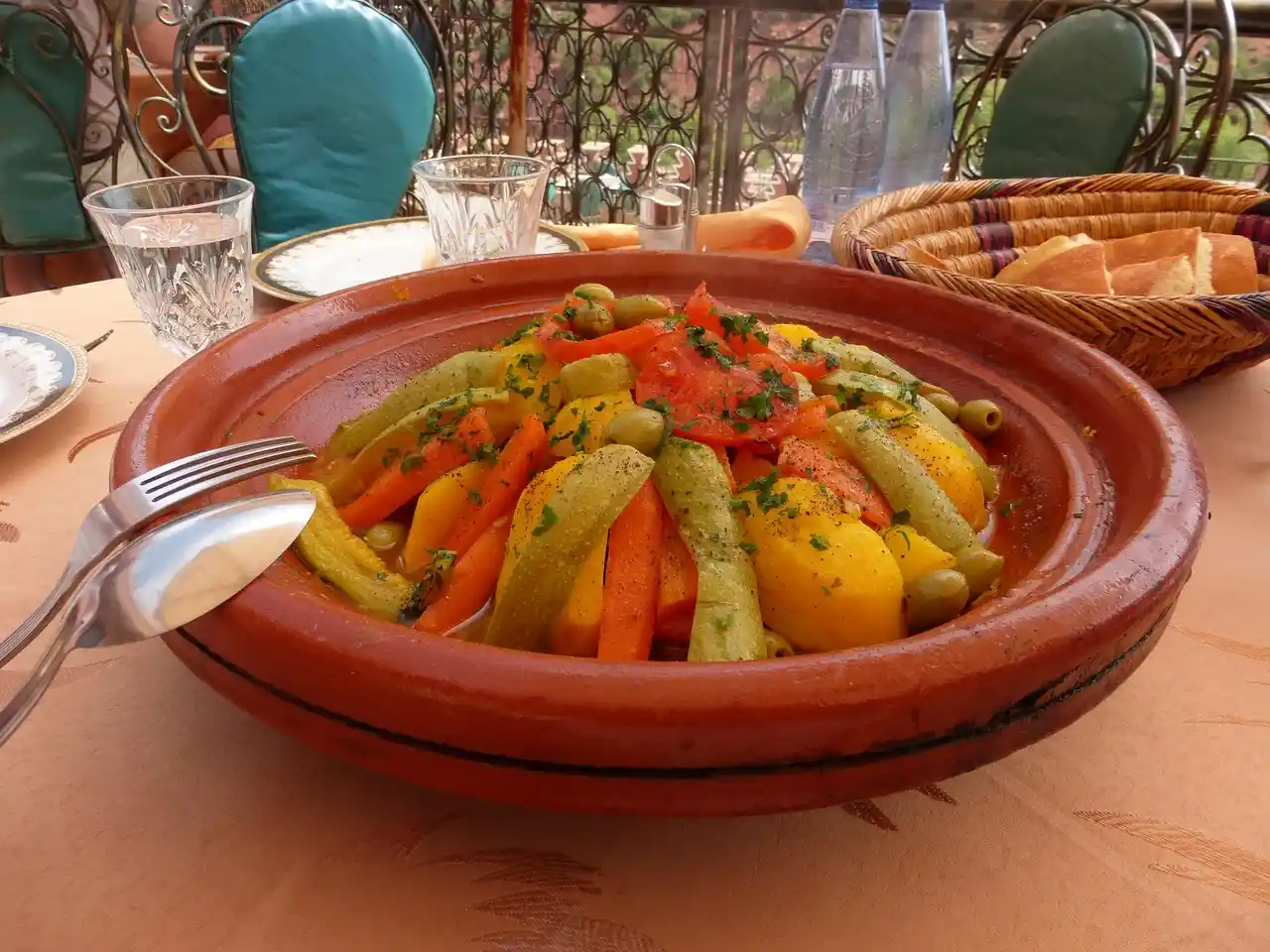
- Food Stalls: 100+ stalls serving grilled meats, tagines, couscous, and snails
- Musicians: Gnawa musicians, Berber bands performing traditional music
- Storytellers: Halqa (circle storytellers) entertaining crowds in Arabic and Berber
- Acrobats: Athletic performances and traditional entertainment
- Dense Crowds: Thousands of locals and tourists creating incredible energy
Jemaa el-Fna Survival Tips:
Important Warning
Be extremely cautious of scams in Jemaa el-Fna. Common tricks include: forced "gifts" requiring payment, "free" guides who demand money, inflated henna tattoo prices after application, and aggressive demands for photo fees. Stay firm, don't accept unsolicited help, and agree on all prices BEFORE accepting any service.
Must-See Attractions & Historic Monuments
Beyond Jemaa el-Fna, the medina contains architectural treasures spanning nine centuries of Islamic design and craftsmanship.
1. Koutoubia Mosque
The Icon of Marrakech
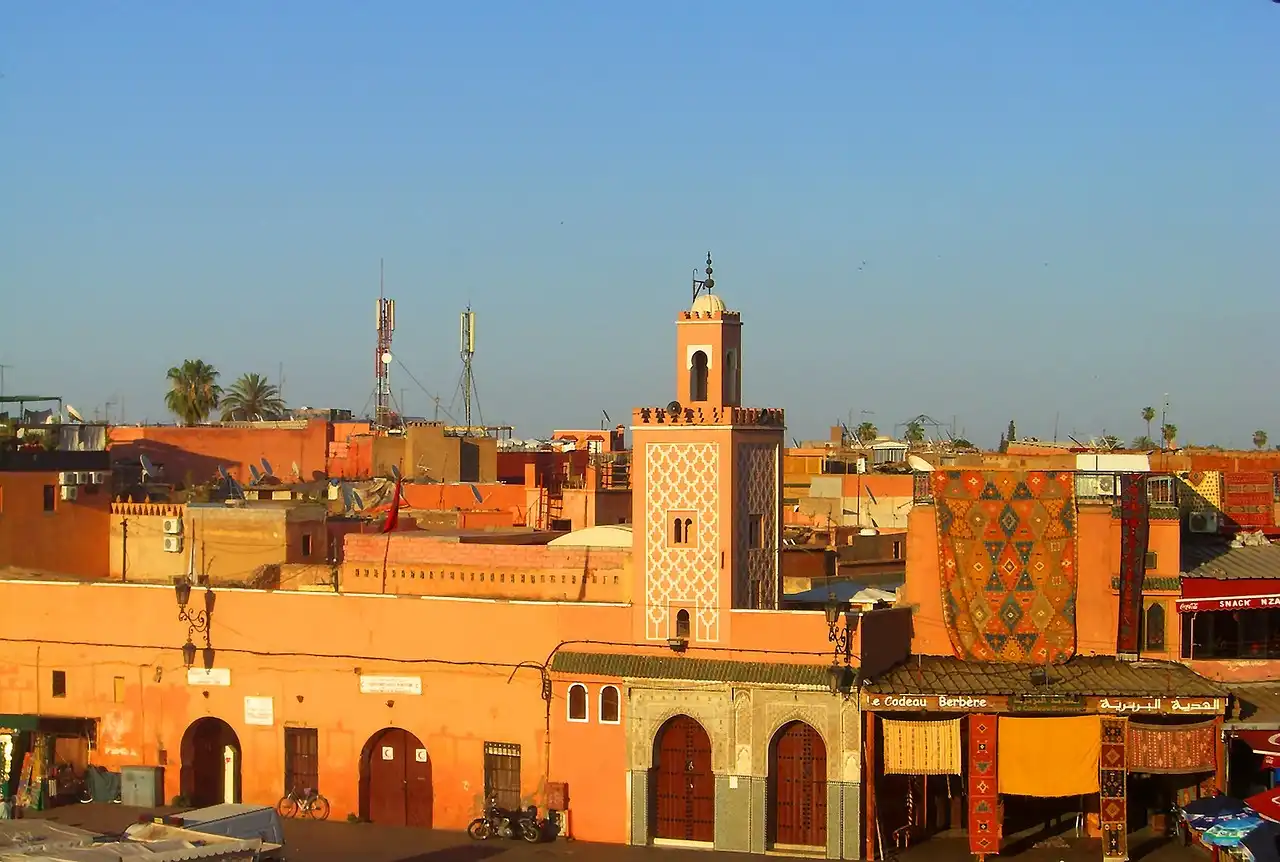
The 77-meter minaret of Koutoubia Mosque dominates Marrakech's skyline and serves as the city's most recognizable landmark. Built in 1147, this masterpiece of Almohad architecture features intricate geometric patterns and elegant proportions that influenced mosques across Morocco and Spain.
- Entrance: Muslims only (non-Muslims cannot enter)
- Viewing: Admire from gardens surrounding the mosque
- Best Time: Sunset for stunning photos
- Cost: Free to view from outside
2. Ben Youssef Madrasa
Morocco's Largest Islamic School
This 16th-century Quranic school housed up to 900 students and represents the pinnacle of Moroccan architecture. The central courtyard features stunning zellige tilework, carved cedar, and stucco plasterwork creating one of Morocco's most photographed interiors.
- Opening Hours: 9:00 AM - 6:00 PM daily
- Entrance Fee: 60 MAD (~$6 USD)
- Duration: 45-60 minutes
- Must-See: Central courtyard, student cells, prayer hall
3. Bahia Palace
19th Century Grand Vizier's Palace
Built in the late 1800s for Grand Vizier Ba Ahmed, this sprawling palace complex showcases the luxury of elite Moroccan life. Wander through decorated rooms, peaceful courtyards, and lush gardens featuring orange trees and fountains.
- Opening Hours: 9:00 AM - 5:00 PM daily
- Entrance Fee: 70 MAD (~$7 USD)
- Duration: 60-90 minutes
- Tip: Visit morning to avoid crowds and heat
4. Saadian Tombs
Royal Tombs from 16th Century
Sealed for centuries and rediscovered in 1917, these ornate mausoleums contain 66 members of the Saadian dynasty. The main hall's twelve-columned pavilion features exceptional carved cedar and stucco work.
- Opening Hours: 9:00 AM - 5:00 PM daily
- Entrance Fee: 70 MAD (~$7 USD)
- Duration: 30-45 minutes
- Note: Long queues common; visit at opening time
5. El Badi Palace
Ruins of 16th Century Splendor
Once considered among the world's most beautiful palaces, El Badi ("The Incomparable") now stands in atmospheric ruins. Climb the walls for panoramic medina views and visit the nesting storks.
- Opening Hours: 9:00 AM - 5:00 PM daily
- Entrance Fee: 70 MAD (~$7 USD)
- Duration: 45-60 minutes
- Bonus: Underground passages and rooftop views
6. Marrakech Museum (Dar Menebhi Palace)
Art & Moroccan Culture
This restored 19th-century palace houses contemporary and traditional Moroccan art, ceramics, and textiles. The building itself, with its central courtyard and lantern, is worth visiting.
- Opening Hours: 9:00 AM - 6:00 PM daily
- Entrance Fee: 60 MAD (~$6 USD)
- Duration: 45-60 minutes
7. Tanneries (Dabbaghine)
Traditional Leather Dyeing Pits
Watch craftsmen process leather using centuries-old techniques in stone dyeing vats. The process is smelly but fascinating. Shops surround the tanneries offering leather goods.
- Location: Northeast medina, near Bab Debbagh
- Viewing: From surrounding leather shop terraces
- Entrance: Often requires small tip to shopkeeper
- Tip: They'll offer mint springs for the smell—take it!
Multi-Site Pass Available
Consider purchasing a combined ticket covering multiple sites. Many monuments offer discounts for students with valid ID. Guides can be hired at major sites for 150-250 MAD for enhanced context and history.
Navigating the Souks: The Ultimate Shopping Experience
North of Jemaa el-Fna lies the souk district—a dizzying network of covered markets where everything from spices to slippers is sold. Each souk specializes in specific trades, organized by craft guilds dating back centuries.
Major Souks by Specialty
Souk Semmarine
Main covered souk starting from Jemaa el-Fna. Widest variety including textiles, slippers, lamps, ceramics, and general goods. Tourist-heavy with corresponding prices.
Souk el-Attarine (Spice Souk)
Aromatic paradise selling spices, dried fruits, argan oil, traditional medicines, and cosmetics. Colors and scents create incredible atmosphere.
Souk Smata (Babouche Souk)
Traditional leather slippers (babouches) in every color imaginable. Prices range 50-200 MAD depending on quality and bargaining skills.
Souk Haddadine (Blacksmith Souk)
Metalworkers crafting lanterns, lamps, gates, and decorative items. Watch artisans work with traditional forge techniques.
Souk Cherratine (Leather Souk)
Leather goods including bags, belts, jackets, and poufs. Quality varies significantly—inspect carefully and bargain hard.
Souk des Teinturiers (Dyers' Souk)
Colorful hanging yarn drying in the sun creates Instagram-worthy scenes. Traditional dyeing workshops using natural materials.
Souk Blaghia (Jewelry Souk)
Silver jewelry, semi-precious stones, and Berber ornaments. Be cautious—quality verification essential.
Rahba Kedima
Small square off main souks selling traditional medicines, beauty products, dried chameleons, and apothecary goods.
The Art of Bargaining (Haggling)
Shopping Scams to Avoid:
- ❌ "Free" guides who lead you to shops for commission
- ❌ Fake argan oil (should smell nutty, not cheap or odorless)
- ❌ "Silver" jewelry that's actually cheap metal
- ❌ "Genuine leather" that's synthetic
- ❌ Carpets sold as "antique" that are new
- ❌ Aggressive shop owners blocking exits
Pro Tip: Never feel obligated to buy anything. It's completely acceptable to browse, negotiate, and then decline if you're uncomfortable with the price or pressure tactics.
Where to Eat in the Medina: From Street Food to Fine Dining
Street Food & Local Eateries
Mid-Range Restaurants
- Nomad: Modern Moroccan cuisine with rooftop terrace. Creative menu, great views. 150-250 MAD per person.
- Café des Épices: Relaxed rooftop café overlooking spice souk. Mixed Moroccan-international. 100-180 MAD.
- La Famiglia: Authentic Italian in the medina. Popular with expats. 120-200 MAD.
- Kui-Zin: Intimate French-Moroccan fusion. Excellent wine list. 200-300 MAD per person.
Special Occasion Dining
- Le Foundouk: Elegant dining in restored caravanserai. Moroccan-French fusion. 300-450 MAD.
- Dar Yacout: Legendary traditional Moroccan palace dining. Multi-course feast. Reservations essential. 600-800 MAD.
- Al Fassia: Traditional Moroccan run by women. Consistently excellent. 250-400 MAD.
Food Safety Tips:
- Choose busy restaurants with high food turnover
- Avoid salads washed in tap water at street stalls
- Drink only bottled water
- Fresh-cooked hot food is safest
- Start with mild dishes until stomach adjusts
Practical Tips for Visiting the Medina
What to Wear
- Modest clothing: covered shoulders and knees (men and women)
- Comfortable walking shoes (you'll walk 15,000+ steps daily)
- Light, breathable fabrics for summer heat
- Layers for winter—medina can be cool in evening
- Hat and sunglasses for sun protection
Money & Payment
- Carry cash in small bills (10, 20, 50 MAD notes)
- Many vendors don't accept cards
- ATMs available near Jemaa el-Fna and main streets
- Keep small change for tips and small purchases
- Hide large bills—don't flash cash
Best Times to Visit
- Early Morning (8-10 AM): Cooler, fewer tourists, shops opening, locals at bakeries
- Late Morning (10 AM-12 PM): Everything open, good shopping time
- Afternoon (2-5 PM): Hot and crowded, many take breaks
- Evening (6-9 PM): Magical atmosphere, Jemaa el-Fna comes alive, cooler temperatures
Stay Hydrated & Healthy
- Carry bottled water at all times
- Take breaks in cafés to escape heat and crowds
- Use sunscreen (sun is intense year-round)
- Watch for motorbikes in narrow alleys—stay alert
- Rest during hottest part of day (2-4 PM) in summer
Staying Connected
- Purchase local SIM card for data (50-150 MAD for tourist packages)
- WiFi available in cafés and restaurants
- Download offline maps before exploring
- Share your location with travel companions
- Keep riad contact information easily accessible
Sample 3-Day Marrakech Medina Itinerary
Day 1: Introduction & Main Attractions
Morning (9 AM - 12 PM):
- Breakfast at your riad
- Visit Ben Youssef Madrasa (arrive at opening to avoid crowds)
- Marrakech Museum (same area)
- Walk through nearby souks
Afternoon (2 PM - 5 PM):
- Lunch at Café des Épices or Nomad
- Explore Souk Semmarine and spice souk
- Visit Mouassine area (quieter, authentic)
- Coffee break with rooftop views
Evening (6 PM - 9 PM):
- Explore Jemaa el-Fna as it comes alive
- Dinner at food stalls or rooftop restaurant
- Watch sunset from Café de France terrace
Day 2: Palaces & Hidden Corners
Morning (9 AM - 12 PM):
- Bahia Palace (arrive early)
- Saadian Tombs (nearby)
- Walk through Mellah (Jewish Quarter)
Afternoon (2 PM - 5 PM):
- El Badi Palace and rooftop views
- Secret Garden for peaceful break
- Maison de la Photographie
- Explore leather and textile souks
Evening (6 PM - 9 PM):
- Traditional hammam experience
- Dinner at Le Foundouk or Dar Yacout
Day 3: Artisan Workshops & Day Trip Option
Option A - Full Medina Day:
- Morning: Visit tanneries, watch craftsmen at work
- Explore areas you missed (Bab Doukkala, northern souks)
- Shopping for souvenirs with new bargaining skills
- Final mint tea overlooking Jemaa el-Fna
Option B - Day Trip from Marrakech:
- Take break from medina intensity
- Agafay Desert day trip
- Atlas Mountains & Berber villages
- Essaouira coastal escape
Itinerary Tips
This is a suggestion, not a rigid schedule. The beauty of the medina is wandering without strict plans. Leave time for serendipitous discoveries, getting lost, and spontaneous mint tea breaks. Consider booking day trips through established companies for hassle-free excursions outside the medina.
Frequently Asked Questions About Marrakech Medina
How much time do you need to explore Marrakech Medina?
Ideally, plan 2-3 full days minimum to explore the major sites, souks, and experience the medina's atmosphere without rushing. One day covers main attractions superficially, while 3-4 days allows for deeper exploration, hidden gems, and a more relaxed pace with time for getting lost and making discoveries.
Is it easy to get lost in the Marrakech Medina?
Yes, getting lost is extremely common and considered part of the authentic experience. The medina contains over 2,400 narrow, winding alleyways that look similar. However, with offline maps, landmarks like Koutoubia minaret, and asking locals for "Jemaa el-Fna," you'll always find your way. Many travelers find their best discoveries when temporarily lost.
Do I need a guide to explore the medina?
A guide is not necessary but beneficial, especially for your first day. Licensed guides (official badge required, 200-300 MAD for 2-3 hours) provide historical context, teach navigation skills, and help you understand the medina's layout. After the first guided day, most travelers navigate independently with confidence. Book guides through your riad or reputable tour companies—avoid unlicensed guides on the street.
What is Jemaa el-Fna and why is it famous?
Jemaa el-Fna is Marrakech's main square and the medina's heart. A UNESCO "Masterpiece of Oral and Intangible Heritage," it's been the city's cultural and commercial center for nearly 1,000 years. During the day it hosts snake charmers, juice vendors, and performers. At sunset it transforms into a bustling food market and entertainment venue with musicians, storytellers, acrobats, and over 100 food stalls. The energy is unlike anywhere else in the world.
When is the best time to visit the medina?
Early morning (8-10 AM) is ideal for cooler temperatures, authentic local atmosphere, and fewer tourists. Evening (6-9 PM) is best for experiencing Jemaa el-Fna's transformation and magical night atmosphere. Avoid midday (12-3 PM) in summer when heat is intense and crowds peak. Seasonally, spring (March-May) and fall (September-November) offer the most comfortable weather.
Is Marrakech Medina safe at night?
Yes, the main tourist areas including Jemaa el-Fna, major souks, and routes between riads and the square are generally safe at night with regular police presence. However, avoid wandering deep into residential areas alone late at night, keep valuables secured (pickpocketing increases in evening crowds), and use pre-booked transfers or taxis when returning late from restaurants. Women should take extra precautions and avoid walking alone after dark.
How much money should I bring for a day in the medina?
Budget 300-600 MAD ($30-60 USD) per person for a full day including: entrance fees to monuments (200-300 MAD total), meals (100-200 MAD), mint tea and breaks (50 MAD), tips (50 MAD), and incidental purchases. If you plan serious shopping, budget accordingly—quality souvenirs range from 100 MAD (small items) to several thousand MAD (carpets, leather goods). Carry small bills and use ATMs near Jemaa el-Fna as needed.
Can I use Google Maps in the medina?
Yes, Google Maps works well in the medina with GPS even without internet if you download the offline map beforehand. However, some narrow alleyways aren't perfectly mapped. Maps.me is an excellent alternative with more detailed medina paths. Both apps work offline after downloading. Drop a pin at your riad/hotel and take a screenshot so you can always navigate back.
What should I buy in the Marrakech souks?
Popular authentic purchases include: argan oil (80-150 MAD for 250ml), babouches/leather slippers (50-150 MAD), spices (20-50 MAD per 100g), traditional tagine pots (50-200 MAD), decorative lanterns (100-500 MAD), leather bags (200-500 MAD), small carpets/rugs (500-3000+ MAD), and traditional ceramics. Always bargain—start at 30-40% of the first price offered. Quality varies significantly, so inspect items carefully.
Are there toilets in the medina?
Public toilets are limited and often basic. Best options: use restrooms at cafés/restaurants where you're eating (order at least a drink), major monuments have facilities, or return to your riad when needed. Some public toilets near Jemaa el-Fna charge 2-5 MAD. Cafés generally allow toilet use for customers. Tip: use facilities at restaurants before heading into deep souk areas.