Moroccan cuisine is a rich blend of Berber, Arab, Andalusian, and Mediterranean influences featuring slow-cooked tagines, aromatic couscous, fresh bread, mint tea, and countless local specialties that vary by region and season.
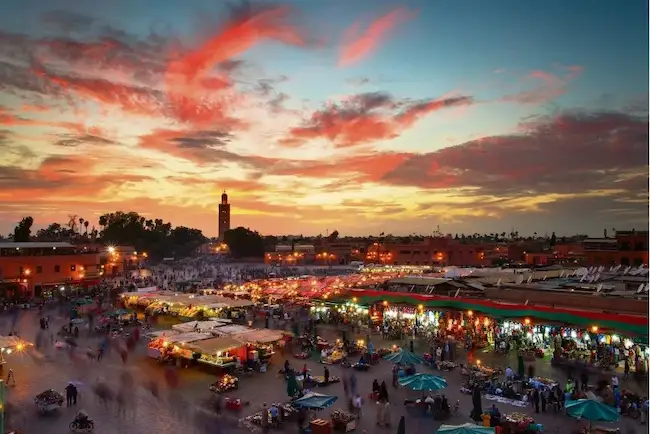
From bustling food stalls in Jemaa el-Fna square to family-run restaurants in ancient medinas, Morocco offers incredible culinary adventures. This guide covers traditional dishes, local street food, dining customs, and where to find authentic Moroccan flavors.
Quick Facts

Follow the locals, not the photos: a busy stall with a queue of Moroccans and a short menu will almost always beat a tourist restaurant with laminated pictures and ten cuisines.
Did You Know?
A proper tagine is named after the conical clay pot it cooks in — the shape traps steam and circulates it back down, slow-cooking meat until it falls off the bone with very little water.
Key Takeaways
- Tagine and couscous are Morocco's signature dishes—must-try
- Street food is safe, delicious, and the best way to eat like a local
- Moroccan mint tea is a social ritual, offered everywhere
- Friday couscous is a cherished weekly tradition
- Each region has unique specialties worth seeking out
Table of Contents
Traditional Moroccan Dishes (Must-Try)
1. Tagine - Morocco's Iconic Dish
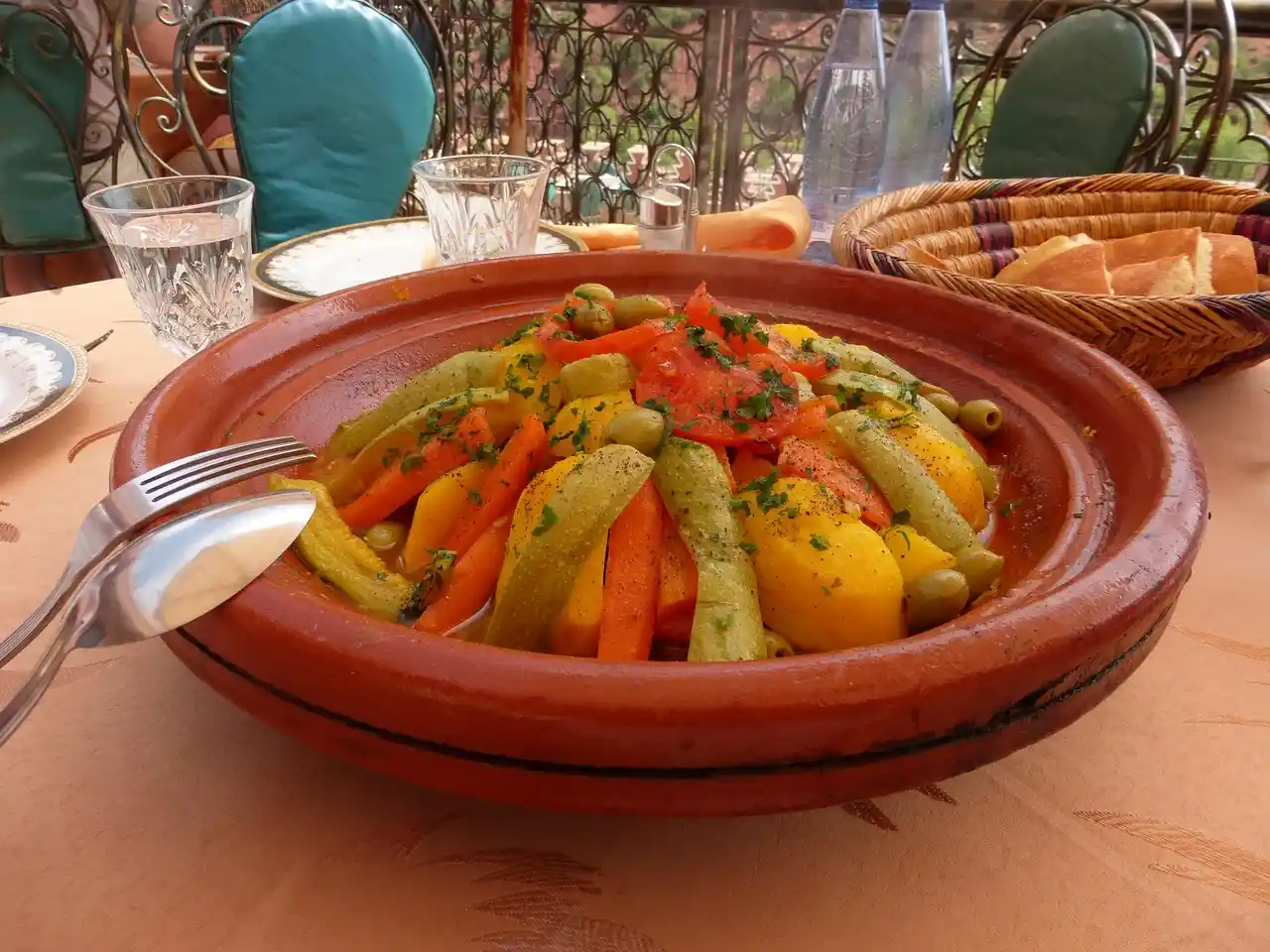
Named after the conical clay pot it's cooked in, tagine is a slow-cooked stew combining meat, vegetables, dried fruits, and aromatic spices. The unique pot shape creates steam circulation for incredibly tender results.
Popular Tagine Varieties:
- Lamb with Prunes and Almonds: Sweet and savory classic
- Chicken with Preserved Lemons and Olives: Tangy and aromatic
- Beef with Vegetables: Hearty with carrots, potatoes, turnips
- Kefta Tagine: Meatballs with tomato sauce and eggs
- Fish Tagine: Coastal specialty with tomatoes and peppers
- Vegetable Tagine: Seasonal vegetables with chickpeas
Price: 50-80 MAD ($5-8) at local restaurants, 100-150 MAD ($10-15) at tourist restaurants
2. Couscous - Friday Tradition
Morocco's national dish, traditionally served every Friday after mosque prayers. Steamed semolina grains served with vegetables, meat, and flavorful broth.
- Seven-Vegetable Couscous: Traditional version with seven vegetables
- Couscous with Lamb or Chicken: Most common varieties
- Tfaya (Sweet Couscous): With caramelized onions and raisins
Pro Tip: Visit on Friday to experience couscous when Moroccan families prepare their best versions. Many restaurants offer special Friday couscous.
3. Harira - Hearty Soup
Rich tomato-based soup with lentils, chickpeas, meat, noodles, and fresh herbs. Traditionally eaten to break fast during Ramadan, but available year-round.
Price: 10-15 MAD ($1-1.50) at local spots
4. Pastilla (B'stilla) - Sweet & Savory Pie
Sophisticated dish of thin phyllo pastry filled with pigeon or chicken, almonds, eggs, and cinnamon, dusted with powdered sugar. Originally from Fes.
Price: 80-120 MAD ($8-12) per person
5. Mechoui - Slow-Roasted Lamb
Whole lamb slow-roasted for hours in underground ovens until incredibly tender. Often served at celebrations and special occasions.
6. Tanjia Marrakchia - Marrakech Specialty
Unique to Marrakech—meat cooked slowly in a clay jar with preserved lemons, spices, and saffron. Traditionally prepared by men and cooked in the embers of hammam furnaces.
Restaurant Recommendation
For authentic traditional cuisine after arriving via your airport transfer, ask locals for family-run restaurants in the medina—they serve the most authentic flavors.
Local & Street Food (Where Locals Eat)
Street food in Morocco is delicious, affordable, and generally safe. Follow busy stalls with high turnover for the freshest food.
Popular Street Foods
1. Khobz (Moroccan Bread)
Round flatbread baked fresh multiple times daily. Accompanies every meal. Buy warm from local bread ovens (ferran) for 2-3 MAD.
2. Msemen & Rghaif (Moroccan Pancakes)
Flaky, square flatbreads pan-fried and served with honey, jam, or cheese. Popular breakfast and snack items.
Price: 3-5 MAD each
3. Maakouda (Potato Fritters)
Crispy fried potato patties seasoned with herbs and spices. Often served in sandwiches with harissa (hot sauce).
Price: 5-10 MAD
4. Grilled Meat Skewers (Brochettes)
Seasoned lamb, beef, or chicken grilled over charcoal. Found at street stalls and markets everywhere.
Price: 20-30 MAD for 3-4 skewers
5. Bocadillo (Moroccan Sandwich)
Fresh khobz filled with various fillings: kefta (meatballs), merguez (spicy sausage), fried fish, or vegetables.
Price: 15-25 MAD
6. Snail Soup (Ghlal/Babbouche)
Unique Marrakech specialty—snails in aromatic herb broth. Locals swear by its medicinal properties. Don't knock it until you try it!
Price: 10-15 MAD per bowl
7. Spicy Sardines
Fresh sardines grilled or fried with spices. Coastal cities offer the best and freshest versions.
8. Sheep's Head (Carefully Cooked)
Traditional delicacy cooked overnight in underground ovens. Found at morning markets. For adventurous eaters only!
9. Olives & Pickles
Every shade of olive imaginable, pickled lemons, turnips, and vegetables. Buy from market stalls.
Street Food Safety Tips
- Choose busy stalls with high customer turnover
- Watch food being cooked fresh
- Avoid pre-cut fruit (unless you peel it yourself)
- Stick to bottled water
- Use hand sanitizer before eating
Moroccan Breakfast
Moroccan breakfast is simple but delicious, typically featuring:
- Fresh Khobz (Bread): With olive oil, honey, or jam
- Msemen or Rghaif: Flaky flatbreads
- Beghrir: Thousand-hole pancakes with honey butter
- Fresh Orange Juice: Squeezed to order (5-10 MAD)
- Moroccan Mint Tea: Essential morning beverage
- Olives and Cheese: Local varieties
- Amlou: Argan oil spread with almonds and honey
- Hard-boiled Eggs: Often included
Most riads include traditional breakfast with your stay. For an authentic experience, visit local cafes where locals gather in the morning.
Morning Café Culture
Join locals at morning cafes for fresh bread, mint tea, and people-watching. It's a quintessential Moroccan experience and costs just 15-25 MAD for a full breakfast.
Regional Specialties
Marrakech Specialties
- Tanjia Marrakchia: Slow-cooked meat in clay jar
- Snail Soup: Herbal broth unique to Marrakech
- Fresh Orange Juice: Jemaa el-Fna is famous for it
Fes Specialties
- Pastilla: Originated in Fes, considered the best here
- Fes-Style Couscous: Unique preparation methods
- Zalouk: Eggplant and tomato salad
Coastal Cities (Essaouira, Agadir)
- Fresh Seafood: Grilled fish, calamari, shrimp
- Fish Tagine: With tomatoes and herbs
- Oysters: Fresh from Atlantic waters
Atlas Mountains & Berber Regions
- Berber Tagine: Simple with seasonal vegetables
- Berber Omelette: Tomato-based with spices
- Dates and Walnuts: Local production
- Fresh Mountain Honey: From wild bees
Desert Regions
- Medfouna (Berber Pizza): Stuffed flatbread
- Desert Dates: Medjool dates from palm groves
- Nomad Tea Ceremony: Special preparation style
Regional Food Tours
When booking desert tours or mountain excursions, traditional meals are often included—a great way to taste regional specialties.
Beverages & Desserts
Moroccan Mint Tea (Atay)
More than a drink—it's a social ritual and symbol of hospitality. Green tea with fresh mint leaves and copious sugar, poured from height to create foam.
Tea Ceremony: Traditionally served three times ("First glass is bitter like life, second is sweet like love, third is gentle like death"). Refusing is impolite—always accept at least one glass.
Price: 5-10 MAD at cafes
Fresh Orange Juice
Squeezed to order at juice stalls throughout Morocco. Marrakech's Jemaa el-Fna has dozens of stands.
Price: 5 MAD per glass (negotiate if asked for more)
Avocado Juice
Creamy avocado blended with milk, sugar, and sometimes dates or nuts. Surprisingly delicious!
Coffee
- Qahwa (Moroccan Coffee): Strong espresso
- Nous-Nous: Half coffee, half steamed milk
- Café au Lait: French-style coffee with milk
Moroccan Pastries & Desserts
- Chebakia: Sesame honey cookies (Ramadan specialty)
- Sellou: Nutty, sweet mixture with almonds and sesame
- Gazelle Horns (Kaab el Ghazal): Almond paste crescents
- Briwat: Sweet or savory triangular pastries
- Ghriba: Crumbly almond cookies
- Sfenj: Moroccan donuts (street food)
Price: Pastries 5-10 MAD each, assorted boxes 50-100 MAD
Moroccan Yogurt
Rich, creamy yogurt often served plain or with honey. Raib (fermented milk) is also popular.
Dining Customs & Etiquette
General Dining Customs
- Eating with Hands: Traditional way to eat couscous and tagine. Use right hand only (left is considered unclean). Bread is used as a utensil.
- Shared Dishes: Tagines and couscous served communally. Take from section in front of you.
- Pace Yourself: Moroccan meals are leisurely affairs—enjoy slowly
- Leave Some Food: Finishing everything suggests you weren't given enough
- Accept Tea: Refusing tea is considered rude—accept at least one glass
When Invited to Homes
- Remove shoes at entrance
- Wash hands before and after meal (basin will be brought around)
- Compliment the food generously
- Bring small gift: pastries, tea, or flowers
- Stay for tea after meal—it's part of hospitality
Restaurant Etiquette
- Most restaurants provide utensils for tourists—ask if preferred
- Tipping: 5-10% in restaurants (10 MAD for casual places)
- Service can be slower—Moroccans don't rush meals
- Many restaurants close during Ramadan daylight hours
Friday Customs
Friday is the holy day. Many locals eat couscous after Friday prayers. Restaurants may be busier post-prayer time (around 1-2 PM). Some smaller establishments may close for prayers.
Where to Eat in Morocco
Types of Eating Establishments
1. Street Food Stalls
Best for: Authentic, cheap, local experience
Price: 15-40 MAD per meal
Highlights: Grilled meats, sandwiches, soups, snacks
2. Local Cafes (Mahajine)
Best for: Breakfast, mint tea, people-watching
Price: 10-30 MAD
Highlights: Traditional breakfast, mint tea, atmosphere
3. Food Stalls at Jemaa el-Fna (Marrakech)
Best for: Evening entertainment and variety
Price: 40-60 MAD per dish
Tip: Check prices before ordering; negotiate if needed
4. Traditional Restaurants in Medinas
Best for: Authentic tagines, couscous, pastilla
Price: 60-120 MAD per person
Tip: Ask locals for recommendations
5. Riad Restaurants
Best for: Romantic dining, special occasions
Price: 150-300 MAD per person
Highlights: Beautiful settings, refined cuisine
6. Modern Moroccan Fusion
Best for: Contemporary takes on traditional dishes
Price: 200-400 MAD per person
Found in: Gueliz (new town) Marrakech, Casablanca
Food Safety Tips
- Drink only bottled or filtered water
- Avoid ice in drinks (unless at upscale restaurants)
- Peel fruits yourself or ensure washed properly
- Eat at busy places with high turnover
- Watch food being prepared when possible
- Carry hand sanitizer—use before eating
- If vegetarian, clearly state "ana nabati" (I'm vegetarian)
Common Tourist Traps
- Restaurants with aggressive touts outside—usually overpriced and lower quality
- Jemaa el-Fna stalls that don't display prices—always confirm before ordering
- Restaurants showing photos instead of real food—often disappointing
- Places that only cater to tourists—higher prices, less authentic
Frequently Asked Questions
Is Moroccan food spicy?
Moroccan food is flavorful with aromatic spices but generally not spicy-hot. Dishes use cumin, coriander, cinnamon, saffron, and ginger for complex flavors rather than heat. Harissa (hot chili paste) is available on the side for those who want heat. If you're sensitive to spices, ask for dishes without harissa or request mild versions.
Is street food safe in Morocco?
Yes, street food is generally safe if you follow basic precautions: choose busy stalls with high turnover, watch food being cooked fresh, avoid pre-cut fruit, use hand sanitizer, and stick to bottled water. Millions of tourists eat street food without issues. Start slowly to let your stomach adjust to new flavors and cooking styles.
What should vegetarians eat in Morocco?
Morocco offers many vegetarian options: vegetable tagines, vegetable couscous, taktouka (pepper and tomato salad), zaalouk (eggplant salad), lentil harira soup, fresh bread with olive oil, olives, Moroccan salads, and all breakfast items. However, many dishes use meat stock, so clearly state "ana nabati" (I'm vegetarian) and ask about ingredients. Vegan travelers should be more cautious as dairy and eggs are common.
How much should I tip in Morocco?
Tipping customs: Restaurants 5-10% (or 10-20 MAD at casual places), cafes: round up or 5 MAD, food stalls: not expected but appreciated (5 MAD), hotel staff: 10-20 MAD per service, tour guides: 50-100 MAD per day. See our complete tipping guide for details.
Can I drink tap water in Morocco?
No, don't drink tap water in Morocco. Stick to bottled water (5-10 MAD for 1.5L), widely available everywhere. Use bottled water for brushing teeth too. Ice in upscale restaurants is usually safe, but avoid ice in smaller establishments. Most riads provide complimentary bottled water.
What is the most famous Moroccan dish?
Tagine is Morocco's most famous dish—slow-cooked stew named after its conical clay cooking pot. The most popular versions are lamb with prunes and almonds, and chicken with preserved lemons and olives. Couscous is equally iconic and considered the national dish, traditionally eaten every Friday. Both are must-try dishes that define Moroccan cuisine.
Where is the best place to eat in Marrakech?
Best food experiences in Marrakech: Jemaa el-Fna food stalls for evening atmosphere (40-60 MAD), local restaurants in medina side streets for authentic tagines (60-100 MAD), morning cafes for traditional breakfast (15-25 MAD), and food markets like Mellah for fresh produce and street food. Avoid restaurants with aggressive touts. Ask locals or your riad for current recommendations.
What foods should I avoid in Morocco?
Generally avoid: tap water, ice (except upscale places), pre-cut fruit, raw vegetables at questionable establishments, unpasteurized dairy, and undercooked meat. Also be cautious with very cheap restaurant deals (often low quality). Start with cooked, hot foods and gradually try other items as your stomach adjusts. Most food is safe—just use common sense.
Can I eat pork in Morocco?
Pork is not available in Morocco as it's a Muslim country where pork consumption is forbidden. You won't find pork in restaurants, markets, or shops. However, Morocco offers incredible variety with lamb, beef, chicken, seafood, and numerous vegetarian options. Alcohol is available at licensed hotels, restaurants, and specialized shops despite Morocco being Muslim.
What is argan oil and should I try it?
Argan oil is made from argan tree nuts indigenous to Morocco, particularly the Essaouira region. Culinary argan oil (darker, nuttier) is delicious drizzled on bread, couscous, or salads. Amlou (argan oil mixed with almonds and honey) is a breakfast delicacy. Cosmetic argan oil (lighter) is used for skin and hair. Buy from reputable sources—many cheap versions are diluted or fake.