Trekking gateway
Imlil
A walnut-shaded village at 1,740 m and the launch pad for Toubkal, Berber village walks and mule-supported treks. The soul of the Atlas hiking scene.
Imlil trekking guideDiscover Morocco's spectacular mountain range — its Amazigh culture, hiking routes, hidden villages and unforgettable experiences, from the summit of North Africa to green valleys an hour from Marrakech.
The Atlas Mountains are the great backbone of North Africa — a chain of peaks, plateaus and deep river valleys that runs for roughly 2,500 kilometres across Morocco, Algeria and Tunisia. In Morocco they form a dramatic wall between the Atlantic plains and the Sahara, cradling the country's tallest summits, its oldest villages and some of its most breathtaking scenery.
Geologically the range was pushed up as the African and Eurasian plates collided, folding ancient sandstone, limestone and volcanic rock into steep ridges and hidden gorges. The mountains capture rain and snow, feeding the rivers that irrigate Marrakech and the southern oases — which is why they are often called the water tower of Morocco.
For visitors, the Atlas Mountains are best understood in three parts: the towering High Atlas, the green Middle Atlas and the arid Anti Atlas. Together they hold Mount Toubkal (the highest point in North Africa), a living Amazigh (Berber) culture that predates recorded history, and a network of walking trails and valleys that draw hikers and day trippers from around the world.
The heart of the range sits in central Morocco, rising directly south and east of Marrakech — close enough that its snow-capped peaks are visible from the city on a clear day.
Marrakech is the natural base for exploring the Atlas Mountains. From the city, roads climb quickly into the foothills, and within an hour you can trade the red medina for terraced fields, walnut groves and rushing rivers.
The main gateway towns and valleys are all within an easy drive, which makes both quick day trips and longer treks straightforward to arrange.
| Destination | Region | Drive time |
|---|---|---|
| Ourika Valley | High Atlas foothills | ~1 hr |
| Imlil | High Atlas (Toubkal) | ~1.5 hr |
| Oukaimeden | High Atlas ski area | ~1.5 hr |
| Ouirgane | High Atlas valley | ~1 hr |
| Ait Bouguemez | M'Goun massif | ~4.5 hr |
Need a driver? See our Marrakech to Ourika transfer or a private Atlas day trip.
Though people speak of the Atlas as one range, it is really three very different mountain worlds, each with its own climate, character and reasons to visit.
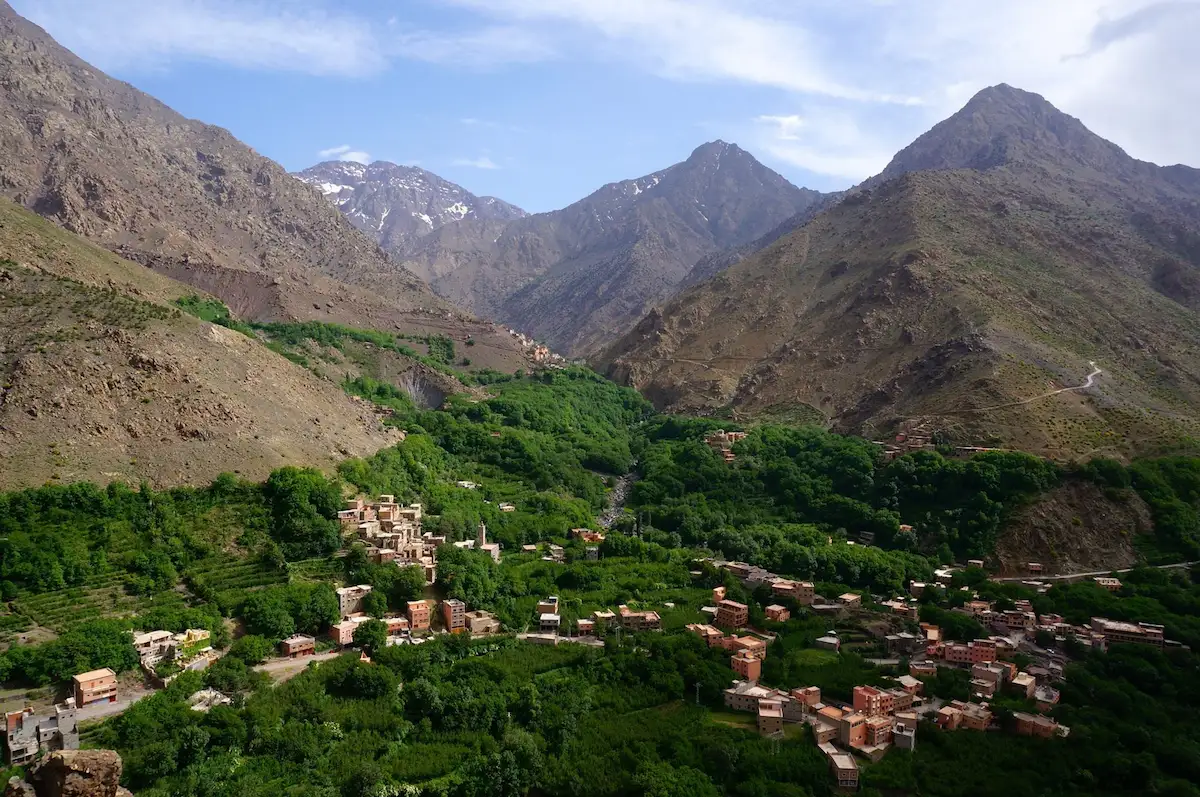
The tallest and most dramatic range, running southwest to northeast for around 700 km. It holds Mount Toubkal, the Toubkal National Park, the trekking hub of Imlil and famous valleys such as Ourika and Azzaden. This is the heartland of Atlas hiking and Berber village life.

North of the High Atlas lies a gentler, greener world of cedar forests, volcanic lakes, waterfalls and rolling pasture. Towns like Ifrane and Azrou, the Ouzoud waterfalls and troops of Barbary macaques give the Middle Atlas an almost alpine feel, quite unlike the arid south.
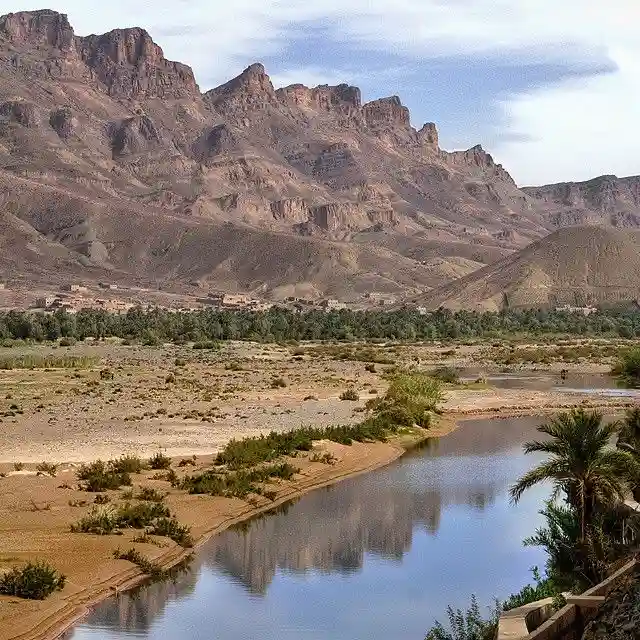
The southernmost and oldest range, lower and drier, sweeping toward the Sahara and the Sous Valley. Famous for its painted villages, argan trees, agadirs (fortified granaries) and the pink quartzite of Jebel Kissane, the Anti Atlas is a quieter, off-the-beaten-path region for adventurous travellers.
The High Atlas contains more than a dozen summits above 4,000 metres — the tallest mountains anywhere in North Africa or the Arab world.
Mount Toubkal (4,167 m) is the undisputed giant — the highest peak in North Africa and a bucket-list summit reachable by fit walkers on a two-day trek from Imlil, no technical climbing required in summer.
M'Goun (4,071 m), in the massif above the Ait Bouguemez valley, is the range's second great objective, famous for its long, remote ridge walks and dramatic gorges.
Beyond these, peaks such as Ouanoukrim, Ras Ouanoukrim and Jebel Timesguida offer serious high-mountain days, while Oukaimeden doubles as Africa's best-known ski resort in winter.
Reaching the Toubkal summit is a hike, not a climb, in the warm months — but altitude is real. Nights are cold year-round and snow can linger into late spring. A local guide is required inside the national park.
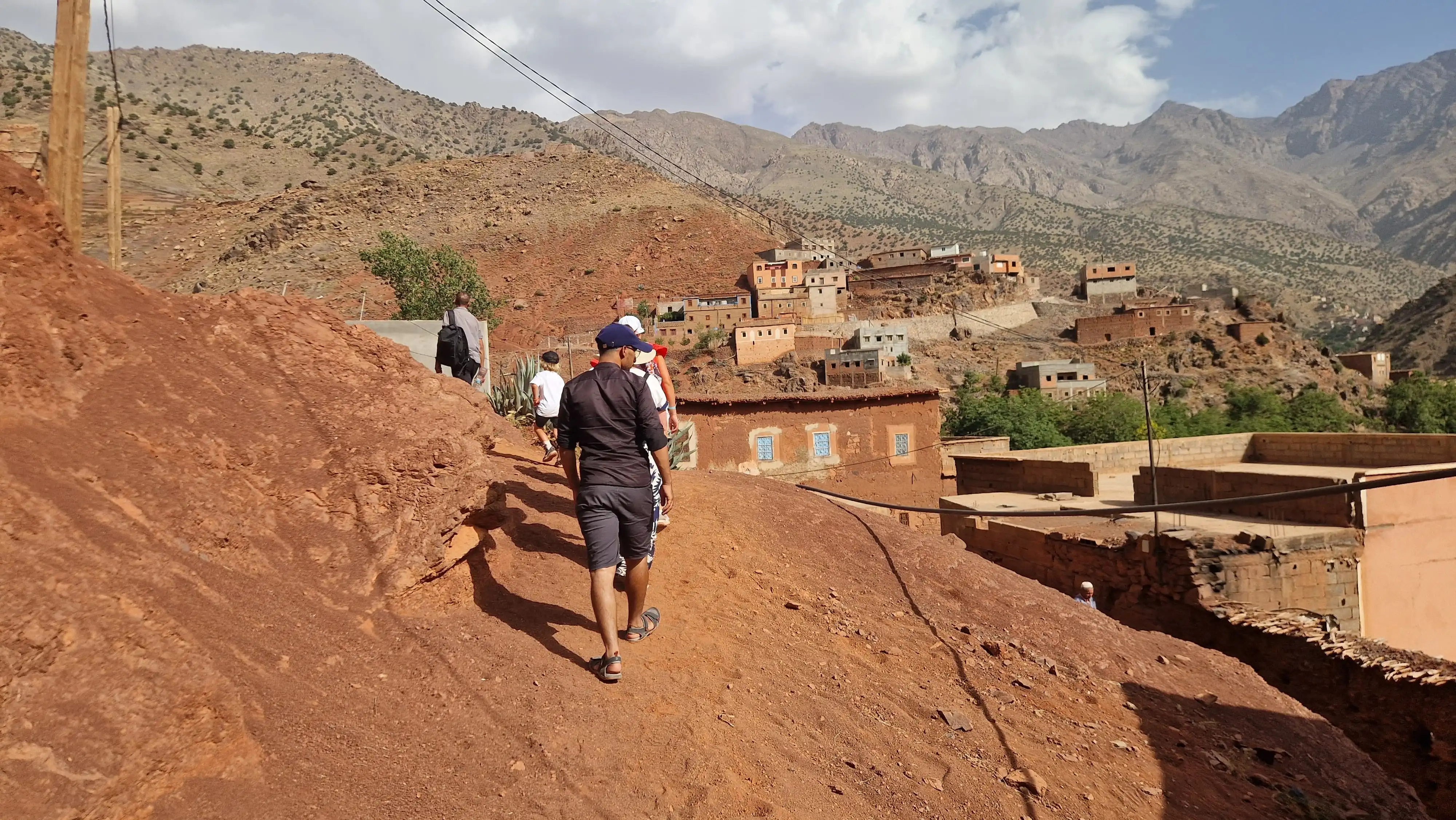
The Toubkal massif, High Atlas
| Peak | Elevation | Region | Best known for |
|---|---|---|---|
| Toubkal | 4,167 m | Toubkal N.P. / Imlil | Highest in North Africa |
| M'Goun | 4,071 m | Ait Bouguemez | Remote ridge treks |
| Ouanoukrim | 4,089 m | Toubkal massif | Second-highest, twin summits |
| Jebel Timesguida | 4,088 m | Toubkal massif | High mountaineering days |
| Oukaimeden | 3,268 m | Ourika region | Africa's premier ski area |
From easy river valleys to remote trekking gateways, these are the corners of the Atlas Mountains most worth your time.
A walnut-shaded village at 1,740 m and the launch pad for Toubkal, Berber village walks and mule-supported treks. The soul of the Atlas hiking scene.
Imlil trekking guide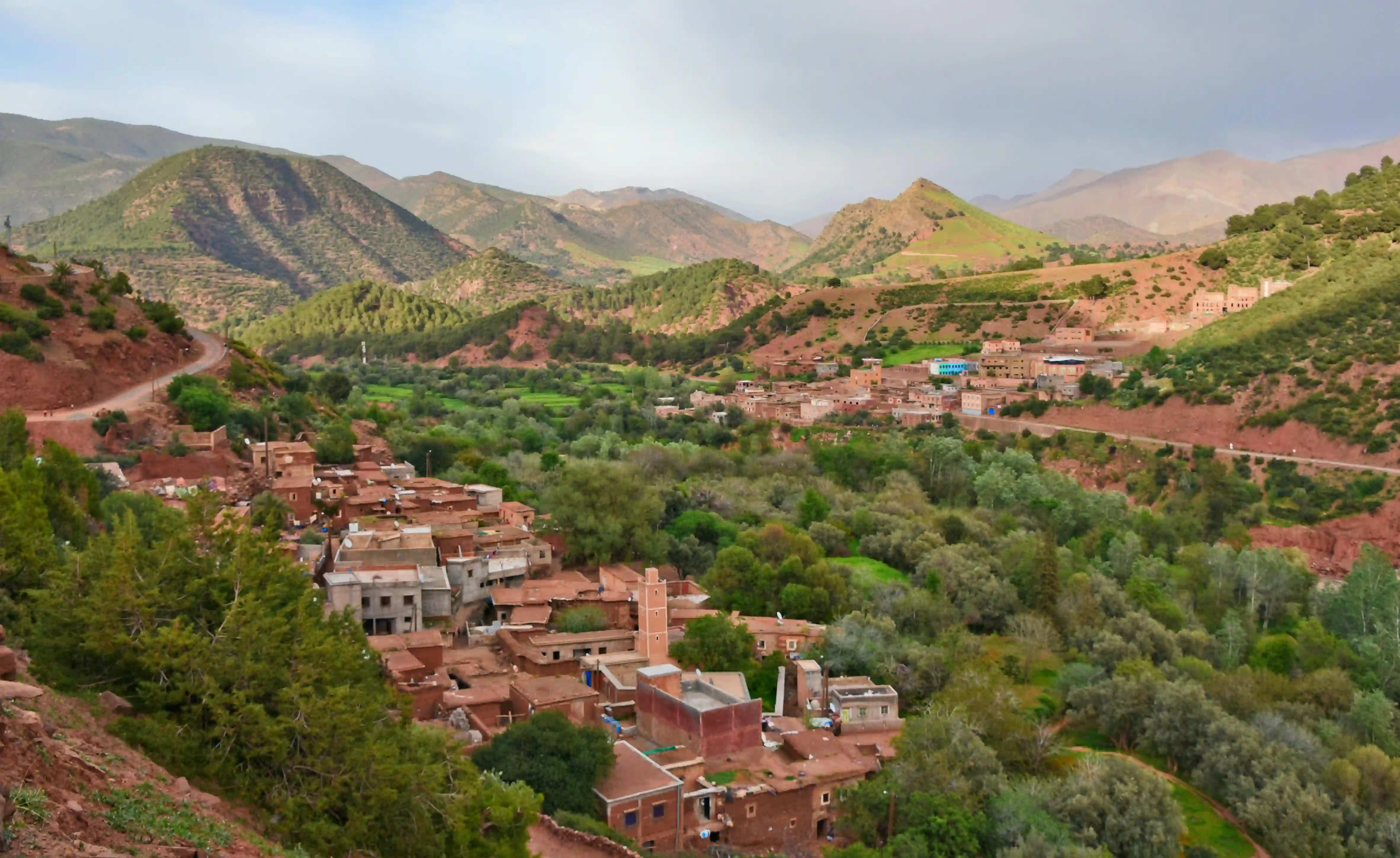
A lush river valley an hour from Marrakech, famous for the Setti Fatma waterfalls, riverside cafes and easy family-friendly walks.
Ourika Valley excursion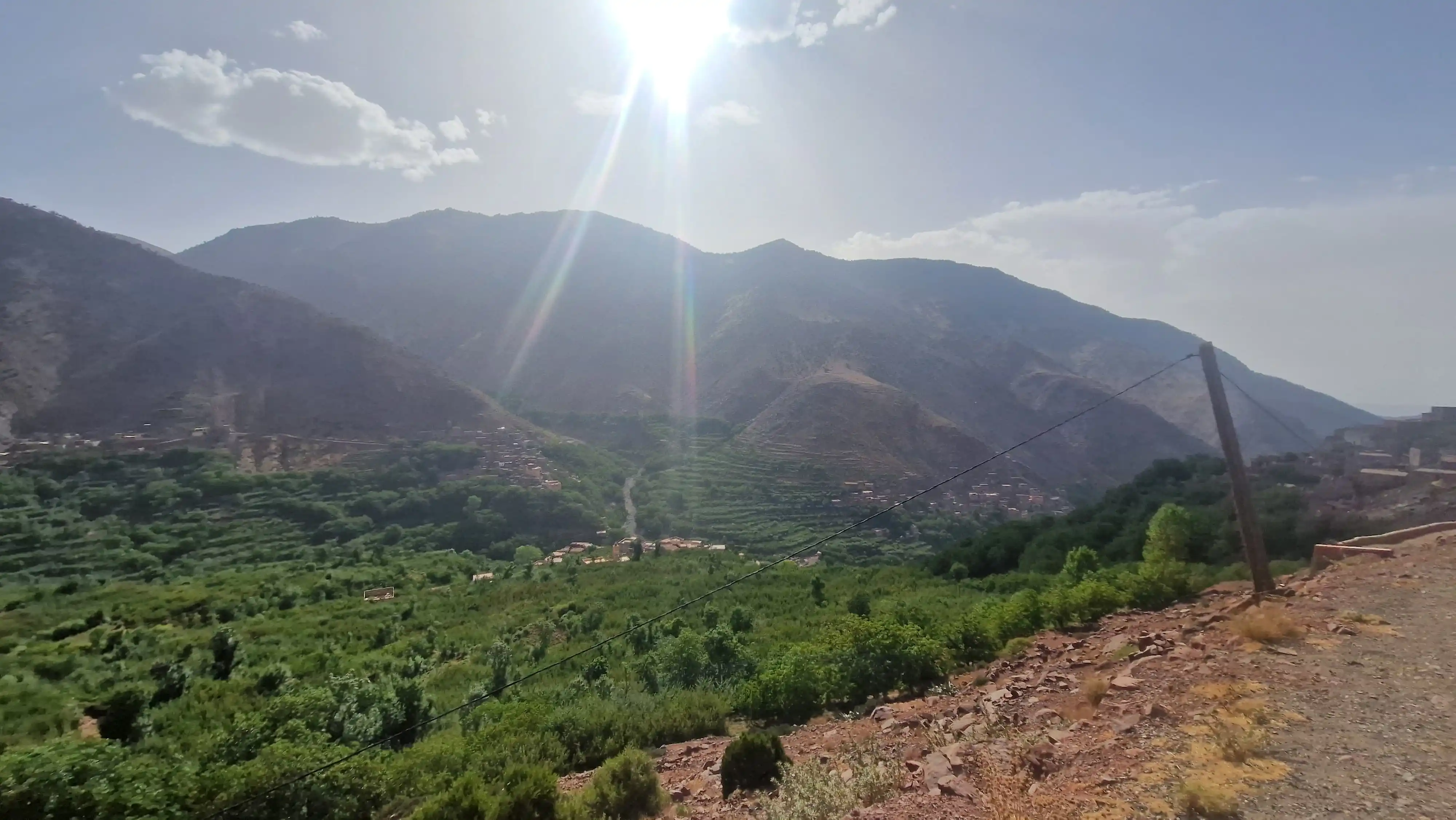
A quieter valley behind Imlil, threaded with terraced fields and small hamlets — a beautiful, less-trodden trekking route into the high mountains.
Azzaden Valley trek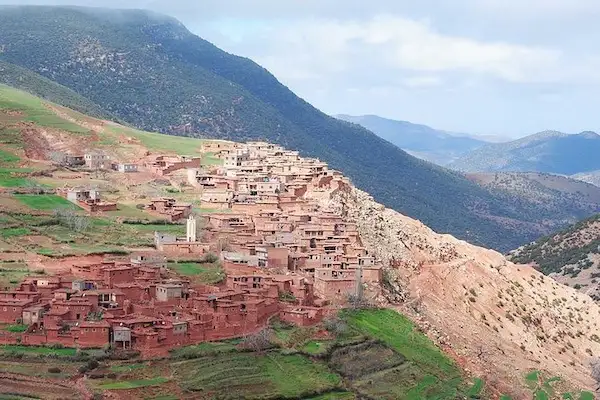
A scenic loop linking the Asni, Oukaimeden and Ourika valleys — the perfect one-day taste of Berber villages, viewpoints and mountain roads.
Three Valleys day trip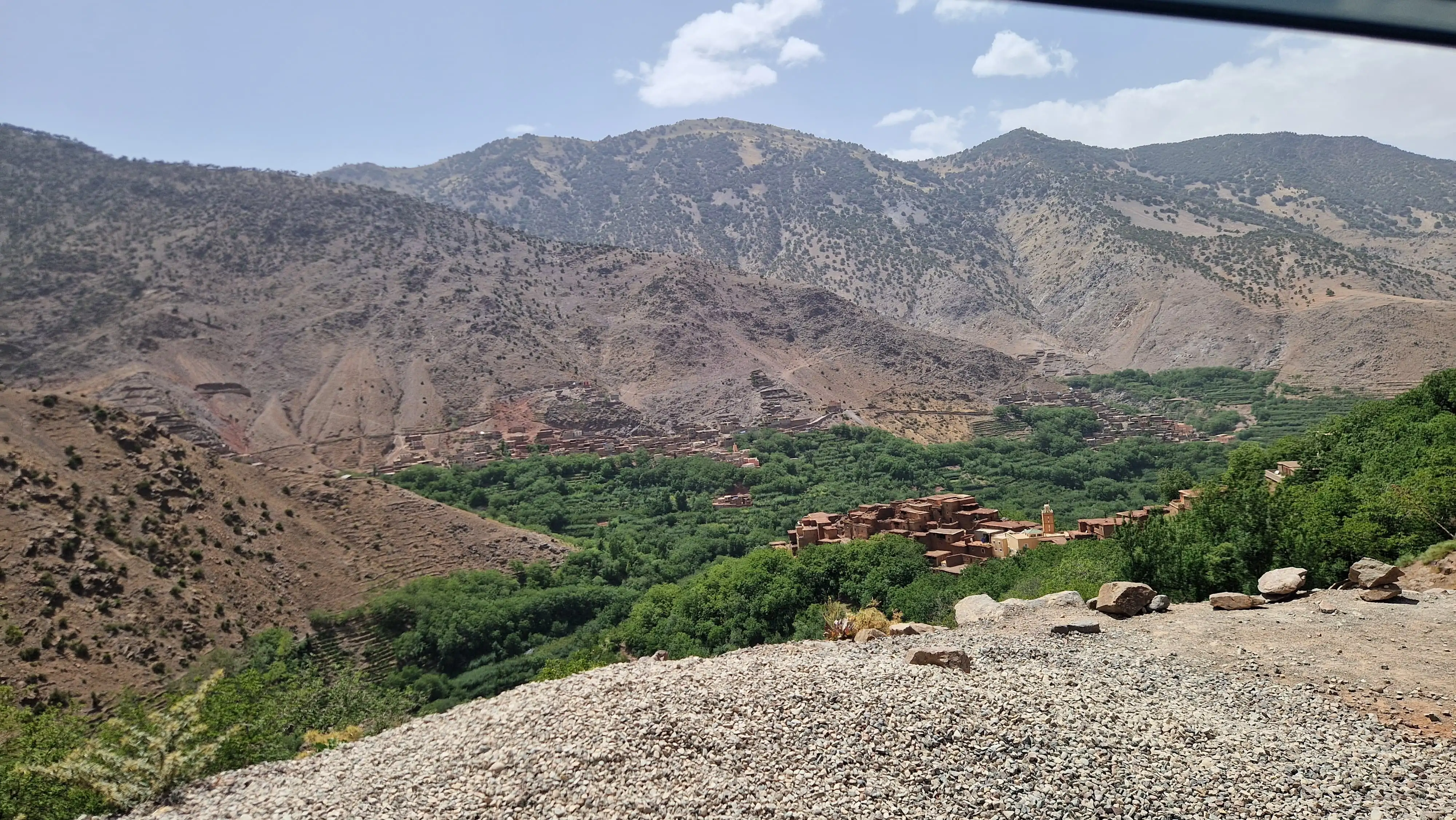
A tranquil valley of red earth, olive groves and a reservoir lake, dotted with eco-lodges. Ideal for slow travel, gentle walks and stargazing.
Berber village walks
Morocco's mountain heart: 380 sq km of high peaks, glacial cirques and stone villages, protecting the country's roof and its rare wildlife.
Mount Toubkal trekWhether you have half a day or a whole week, the Atlas rewards every kind of traveller — here are the experiences not to miss.
From gentle valley strolls to the two-day Toubkal ascent, the High Atlas is Morocco's premier walking destination.
Easy guided outings from Marrakech to valleys, waterfalls and Berber villages, with lunch and mint tea included.
Snow-capped peaks, terraced fields, kasbahs and golden light make the Atlas one of Morocco's most photogenic regions.
Step inside a working Amazigh village, meet families, watch bread baking and learn about mountain farming life.
Time your trip around a weekly souk, where villagers trade produce, spices, textiles and livestock as they have for centuries.
Sleep in a Berber guesthouse or eco-lodge, wake to birdsong and share a home-cooked tagine under the stars.
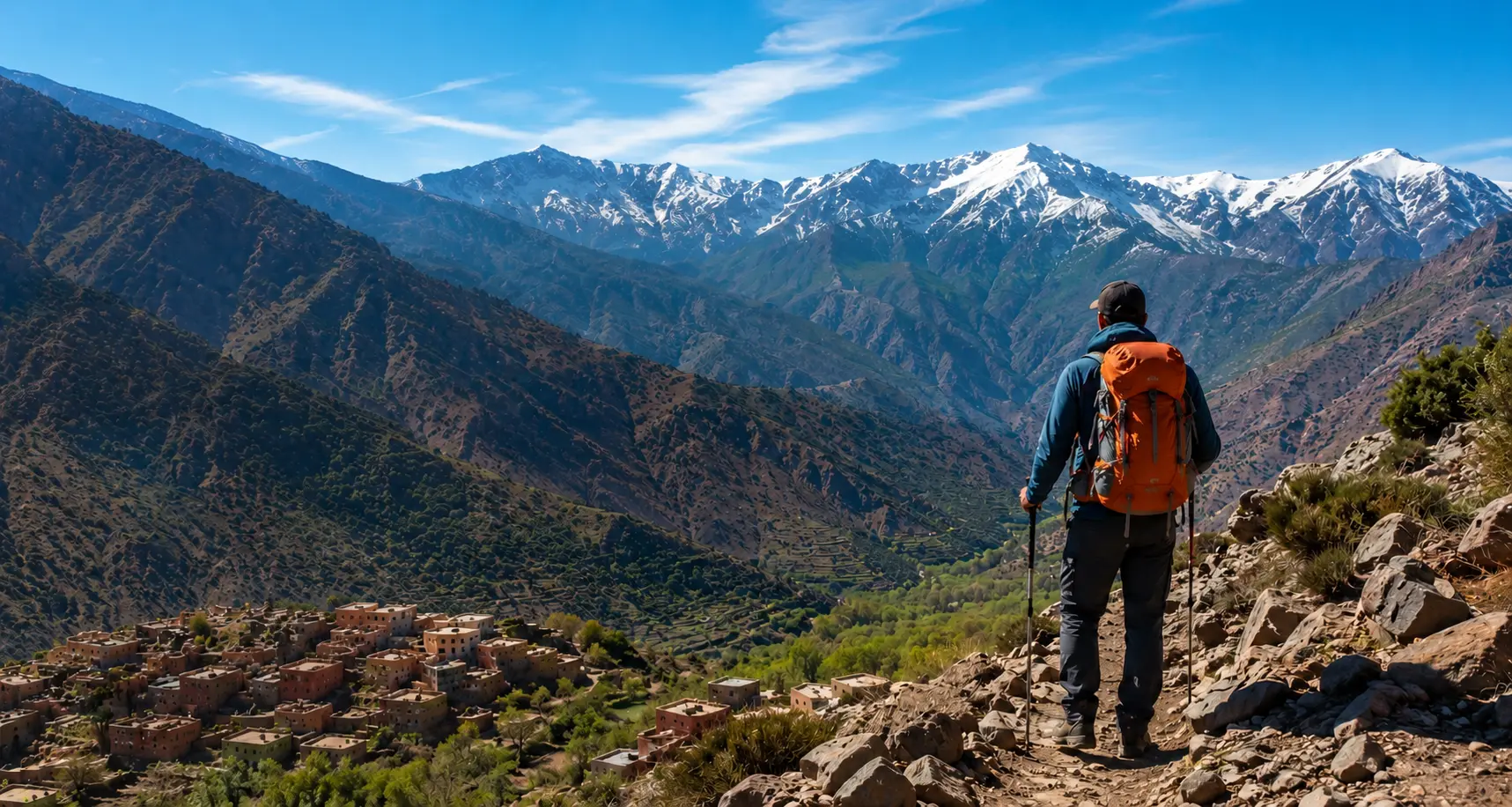
The High Atlas is the beating heart of Moroccan trekking — a place where you can walk between mud-brick villages for days and sleep where no roads reach.
Routes range from an afternoon in a single valley to a week-long traverse over high passes. The classic objectives are Mount Toubkal for those chasing the summit, and gentler Berber village treks for travellers who come for the culture and scenery rather than the altitude. Mules carry the heavy loads, local guides share the trails, and every night ends with tea and a tagine.
We keep the full detail — routes, grades, seasons, packing lists and guided options — in our dedicated trekking section, so this guide stays focused on the mountains themselves.
Start at the Morocco trekking hub for the full picture, then dive into the Atlas Mountains trekking guide, the Mount Toubkal trek, Imlil trekking, the Berber village trek or the Azzaden Valley trek. Ready to book? See Morocco hiking tours.
No hiking boots or spare days required — some of the most memorable Atlas experiences fit inside a single day trip from Marrakech.
A day excursion is the easiest way to feel the mountains: you leave the city after breakfast, wind up through the foothills, walk a little beside a river or waterfall, share lunch with a Berber family and are back in Marrakech by evening. It is ideal for families, first-time visitors and anyone short on time.
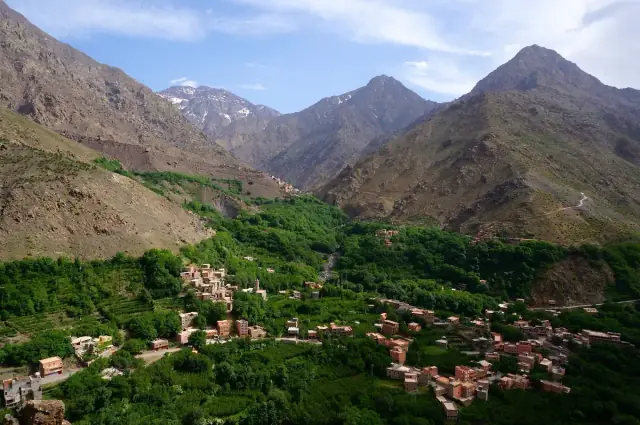
The signature outing: Berber villages, mountain viewpoints, mint tea and a home-cooked lunch in the High Atlas foothills.
View day tripA scenic loop through the Asni, Oukaimeden and Ourika valleys — the best one-day overview of the range.
View Three Valleys
Follow the river to the Setti Fatma waterfalls, with a gentle walk, riverside lunch and Berber village stops.
View Ourika tripBrowse every option on our Marrakech excursions page, or combine the mountains with a longer Morocco circuit.
The Atlas Mountains are the ancestral homeland of the Amazigh people — the "free people" who have shaped these valleys for thousands of years.

Amazigh hospitality begins with mint tea
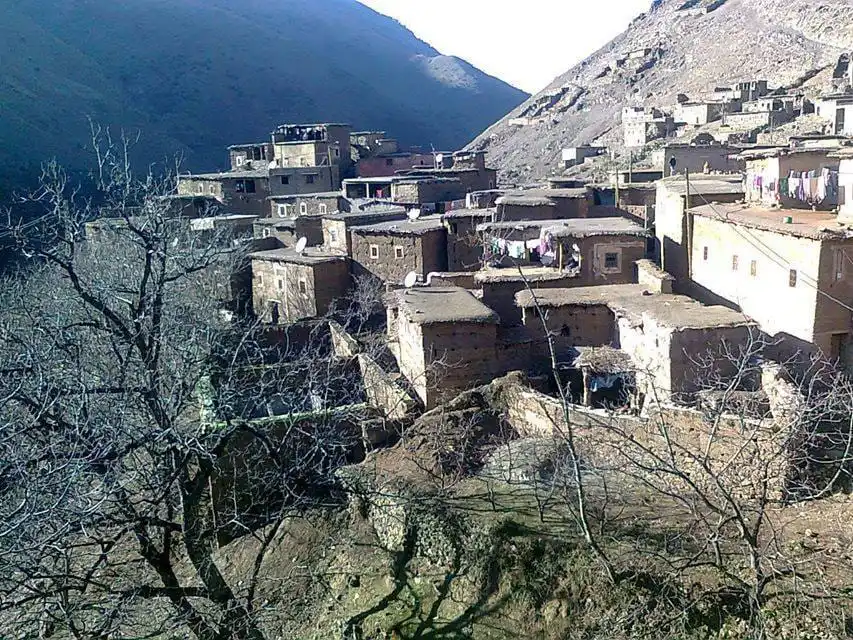
Long before Arab or European influence reached Morocco, the Amazigh farmed these high valleys, building terraced fields and flat-roofed villages of stone and rammed earth that blend into the mountainsides. Their languages — Tashelhit in the High Atlas — are still spoken in every hamlet.
Visitors quickly meet the warmth of Amazigh hospitality: no visit is complete without glasses of sweet mint tea, poured from height into small glasses. It is a genuine, everyday generosity, not a performance for tourists.
Slow-cooked tagines, couscous on Fridays, fresh bread from clay ovens, walnuts, honey and olive oil pressed in the valleys.
Kasbahs, agadirs (fortified granaries) and earthen villages built to stay cool in summer and warm in winter.
Hand-knotted rugs, silver jewellery, pottery and woven textiles, each pattern carrying its own regional meaning.
Farming rhythms set by the seasons — ploughing, harvest, and the weekly walk to the souk to trade.
Ahwash dances, moussem festivals, and songs and proverbs passed down through generations.
An unwritten code of welcome that means a stranger is offered shelter, food and tea without question.
Mountain weather changes with altitude as much as season. Expect warm valleys and cool heights, big day-to-night temperature swings, and snow up high for much of the year.
Mar – May
Valleys ~15–24°C
Wildflowers, green terraces and melting snow feeding the rivers. Peaks may still hold snow into May. The prettiest season overall.
Jun – Aug
Valleys ~25–35°C
Hot and dry in the lower valleys but refreshingly cool at altitude — the main season for high treks and the Toubkal summit.
Sep – Nov
Valleys ~14–26°C
Stable, clear and comfortable, with harvest colours in the walnut and apple orchards. Excellent for both hiking and photography.
Dec – Feb
Valleys ~2–15°C
Snow blankets the high peaks; Oukaimeden opens for skiing. Valleys stay crisp and clear, but summits become a technical winter climb.
Temperatures fall roughly 6–7°C for every 1,000 m you climb. A warm 30°C afternoon in Marrakech can mean near-freezing nights at the Toubkal refuge — always pack layers, whatever the season.
There is no single "best" month — it depends on whether you are chasing summits, valleys, snow or blossom.
April to June is the sweet spot for most travellers: green valleys, wildflowers, comfortable walking temperatures and long daylight, with snow still crowning the peaks for dramatic photos.
September to October is equally rewarding — settled weather, harvest colours and quieter trails after the summer peak. These shoulder seasons suit day trips and village treks alike.
July and August are the classic months for the high summits, when the snow has melted and the Toubkal route is at its most straightforward, even though the low valleys are hot.
December to March transforms the range into a snowy playground — ideal for skiing at Oukaimeden or crisp valley walks, but the high peaks demand winter mountaineering skills. Choose your season to match your goal, and the Atlas will not disappoint.
A few practical pointers to make your time in the mountains smoother, safer and more rewarding.
Ascend gradually, drink plenty of water and allow a day to acclimatise before tackling anything above 3,000 m.
Trails are rocky and uneven. Sturdy walking shoes or boots with grip beat trainers, even on short valley walks.
Villages rarely accept cards. Bring small dirham notes for tea, tips, crafts and guesthouses off the main roads.
Mobile signal fades in the valleys. Download maps offline and enjoy the disconnection — it is part of the appeal.
Dress modestly, ask before photographing people, and accept the tea — a small gesture of real gratitude.
A qualified guide adds safety and cultural depth, and directly supports the mountain communities you come to see.
The questions travellers ask us most about visiting the Atlas Mountains in Morocco.
The Atlas Mountains stretch about 2,500 km across northwest Africa through Morocco, Algeria and Tunisia. The most visited section is Morocco's High Atlas, which rises directly south of Marrakech and is reachable in around 60 to 90 minutes by road.
The highest point is Mount Toubkal at 4,167 metres (13,671 ft) in the High Atlas, the tallest peak in North Africa. Several other High Atlas summits, including M'Goun at 4,071 metres, rise above 4,000 metres.
Most travellers reach the mountains by private car or organised transfer. Imlil, the main trekking gateway, is about 90 minutes away; the Ourika Valley is roughly one hour; Oukaimeden and the Three Valleys are 60 to 90 minutes. There is no train, so a driver or day tour is the usual choice.
The range divides into the High Atlas (the tallest, home to Toubkal and Imlil), the Middle Atlas (green cedar forests, lakes and waterfalls to the north) and the Anti Atlas (a lower, arid range near the Sahara and the Sous Valley in the south).
Yes. Day trips from Marrakech to the Ourika Valley, the Three Valleys, Imlil and the Toubkal foothills are very popular and need no hiking experience. They usually include Berber villages, waterfalls, mint tea and a traditional lunch.
For gentle valley walks a guide is optional, but for Mount Toubkal and multi-day routes a qualified mountain guide is strongly recommended and is required for the Toubkal summit inside the national park. A local guide also adds cultural insight and supports the mountain economy.
Spring (April to June) and autumn (September to October) offer the most comfortable conditions. Summer is hot in the valleys but pleasant at altitude and best for the high peaks, while winter brings snow, skiing at Oukaimeden and technical mountaineering on the summits.
The Atlas Mountains are considered very safe, with welcoming Berber communities. The main considerations are altitude, sudden weather changes and rough mountain roads — all easily managed by travelling with an experienced local driver or guide.
The Atlas is the historic homeland of the Amazigh (Berber) people, who have farmed the high valleys for millennia. Their culture is defined by mudbrick villages, terraced fields, weekly souks, saffron and walnut harvests, hospitality centred on mint tea, and languages such as Tashelhit.
Bring sturdy walking shoes, layers for cool mornings and warm afternoons, a windproof jacket, sun protection, and cash in dirhams. For higher treks add a warm hat, gloves and a good sleeping bag rating, even in summer.
The Ourika Valley is a green river valley famous for the Setti Fatma waterfalls and easy day trips from Marrakech. Imlil sits higher in the mountains and is the launch point for serious trekking, including Mount Toubkal and Berber village walks.
Yes. Options range from simple Berber guesthouses (gites) and family homestays to boutique eco-lodges and kasbah-style hotels in Imlil, Ourika and Ouirgane. High routes also use mountain refuges such as the Toubkal refuge.
Continue planning your Moroccan adventure with these companion guides and experiences.
From a half-day in a green valley to a summit on the roof of North Africa, our local team helps you plan the mountain journey that fits you best.