Atlas Mountains Hiking

Atlas Mountains Hiking & Trekking

Explore Morocco's spectacular High Atlas Mountains with authentic hiking and trekking experiences led by local Amazigh mountain guides — from gentle Berber village walks to multi-day valley traverses and 4,000 m summits.

Local Amazigh Guides
Small Groups
Private Treks
Authentic Villages
High Atlas Experts

Hiking the High Atlas Mountains

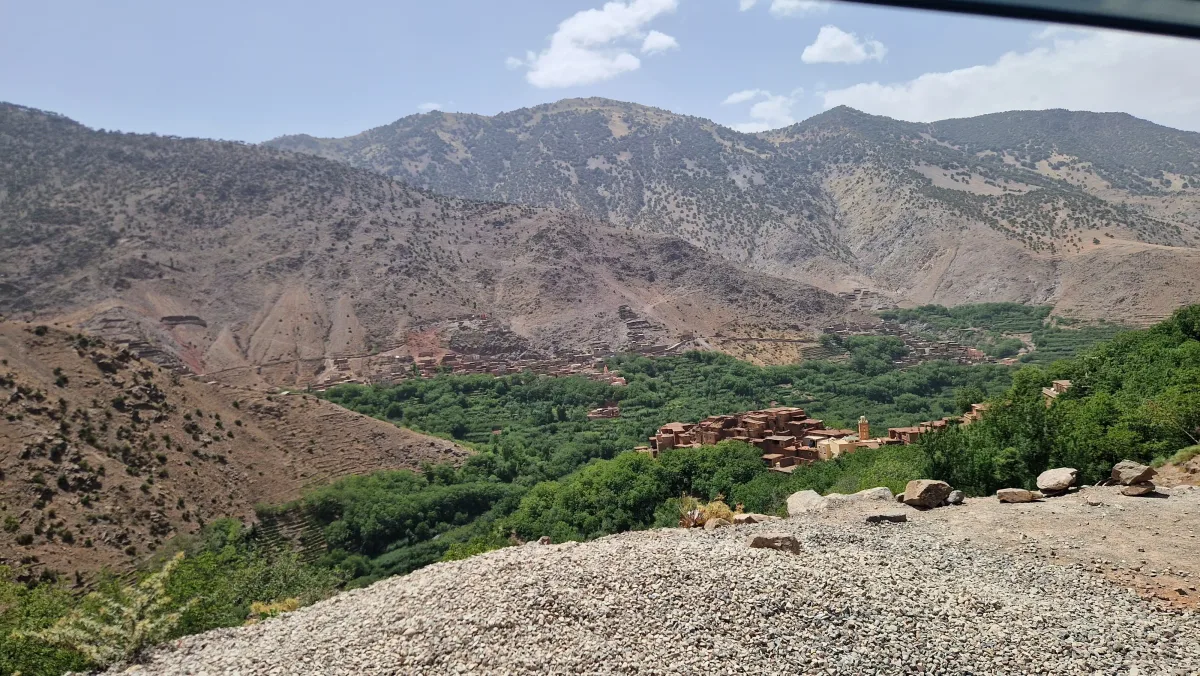
The High Atlas Mountains are the rooftop of Morocco — a 700 km wall of snow-dusted peaks, deep green valleys and terraced Berber villages that rises just south of Marrakech. Hiking the Atlas Mountains is the classic way to swap the buzz of the medina for crisp mountain air, walnut groves and the rhythm of Amazigh village life, all within a 90-minute drive of the city.

What makes the Atlas so special is its variety. You can walk a gentle half-day loop between villages, spend two or three days trekking valley to valley staying in family guesthouses, or push higher onto the passes and summits — including Mount Toubkal, at 4,167 m the highest peak in North Africa. It is a genuine four-season destination, beautiful under spring blossom, summer sun, golden autumn light and winter snow.

Every route is led by licensed local Amazigh guides born in these mountains, so whether you are a first-time hiker or an experienced trekker, you get expert route-finding, authentic village hospitality and a safe, unforgettable adventure. Atlas trekking is the heart of our wider trekking in Morocco collection.

90 minutes from Marrakech Reach the Imlil and Ourika trailheads the same morning you set off
Every level of hiker From easy village walks to multi-day treks and 4,000 m summits
Authentic Berber culture Sleep in mountain guesthouses and share mint tea with Amazigh families
Licensed local guides Amazigh mountain experts handling safety, weather and logistics

Featured Atlas Experiences

From gentle valley day hikes to serious multi-day treks and the Toubkal summit — pick the Atlas Mountains experience that matches your time, fitness and sense of adventure.

Why Hike the Atlas Mountains?

Living Berber culture, dramatic mountain scenery and genuine wilderness — all within easy reach of Marrakech and open to hikers of every level.

Authentic Berber Culture

The trails weave through living Amazigh villages where families welcome hikers with mint tea, tagines and warm mountain hospitality — culture you experience, not just observe.

Spectacular Mountain Landscapes

Snow-capped 4,000 m peaks, terraced green valleys, walnut groves, gorges and waterfalls make the High Atlas one of the most scenic ranges in North Africa.

Accessible from Marrakech

The Imlil, Ourika and Azzaden trailheads are only around 90 minutes by road, so you can go from a rooftop cafe to a mountain trail in a single morning.

Suitable for All Levels

From gentle half-day village loops to demanding multi-day traverses and summit climbs, the Atlas has a route for beginners, families and seasoned trekkers alike.

Four Season Destination

Spring blossom, summer sun on the high peaks, golden autumn valleys and snowy winter walks — the Atlas rewards hikers all year, with a season to suit every trip.

Local Mountain Experts

Our licensed Amazigh guides were born in these valleys. They read the weather, manage altitude and open doors into village life to keep every trek safe and authentic.

Best Atlas Mountains Trekking Routes

The High Atlas is a web of valleys, passes and villages. These are the classic trekking areas, from easy day-hike country to committing multi-day traverses.

Imlil Valley

The gateway to the High Atlas and the start of the Toubkal trail. Imlil is ringed by walnut groves, waterfalls and villages, making it the perfect base for day hikes and short treks.

Azzaden Valley

A quieter, greener valley just west of Imlil, reached over the scenic Tizi Mzik pass. Its gentle gradients and welcoming guesthouses make it a favourite two to three-day trek.

Toubkal National Park

The high heart of the range, protecting Mount Toubkal (4,167 m) and a cluster of 4,000 m peaks. This is the arena for serious ascents, high passes and summit treks.

Tacheddirt & the High Passes

One of the highest permanently inhabited villages in the Atlas, linked by classic passes such as Tizi n'Tamatert. Ideal for connecting valleys on a multi-day village circuit.

Berber Village Circuits

Low-level walks linking hamlets across the foothills and side valleys — gentle, culture-rich routes for families and first-timers who want the villages without the altitude.

Multi-Day Traverses

String valleys and passes together into a 3 to 7-day traverse with mule support and guesthouse nights — the most immersive way to experience the whole High Atlas.

Atlas Mountains Hiking Difficulty

The High Atlas covers the whole spectrum, from flat village strolls to graded winter mountaineering. Here is how the four difficulty levels compare so you can choose with confidence.

Easy

Beginner Hikes

Gentle half-day and full-day walks between villages on good paths, with little altitude gain. Perfect for families, casual walkers and first-timers — scenery and culture without the effort.

Moderate

Moderate Treks

Multi-day valley routes with steady ascents, a pass or two and guesthouse nights. Suited to reasonably fit hikers who can walk 4 to 6 hours a day over several days.

Challenging

Advanced Routes

Longer days, higher passes above 3,000 m and bigger ascents, sometimes with a refuge night. Requires good fitness and comfort with sustained uphill and thinner air.

Expedition

Summit Climbs

High-altitude summits such as Toubkal (4,167 m) and winter ascents on snow and ice. Non-technical in summer but strenuous; winter needs crampons, an ice axe and experience.

Easy: 2–4 hour village walks Moderate: 4–6 hour days Challenging: high passes 3,000 m+ Expedition: 4,167 m summit

Best Time for Atlas Mountains Hiking

The Atlas is a year-round hiking destination, but each season offers a very different mountain. Here is how spring, summer, autumn and winter compare on the trail.

SeasonTemperaturesTrail ConditionsRecommended Routes
Spring
Mar–May
Valleys 15–24°C; cool, crisp nights; snow lingering high early on Green valleys, blossom and rushing streams; high passes clear through May Prime season for valley treks, Azzaden and Berber village routes; Toubkal from late spring.
Summer
Jun–Aug
Hot in the low valleys (30°C+); cool and pleasant high up; occasional afternoon storms Dry, snow-free high routes; hot lower down, so early starts are essential Best window for high-altitude treks and the Toubkal summit; walk high, rest at midday.
Autumn
Sep–Oct
Warm, stable 15–24°C days; cold nights at altitude Settled weather, golden light and clear air before the first snows Rivals spring as the best all-round season for every route, from villages to summits.
Winter
Nov–Feb
Mild in the low valleys by day; sub-zero and often windy on the high peaks Snow and ice on the summits; lower villages remain walkable Lower Berber village walks and snowshoe days; summits become winter mountaineering.
Changing mountain light and weather over the Imlil Valley in the High Atlas Four seasons in the mountains

Atlas Mountains Weather by Season

High Atlas weather changes with both season and altitude. The valleys can feel almost Mediterranean while the summits stay under snow, so understanding the year helps you pick the right route and pack for the mountain you will actually meet.

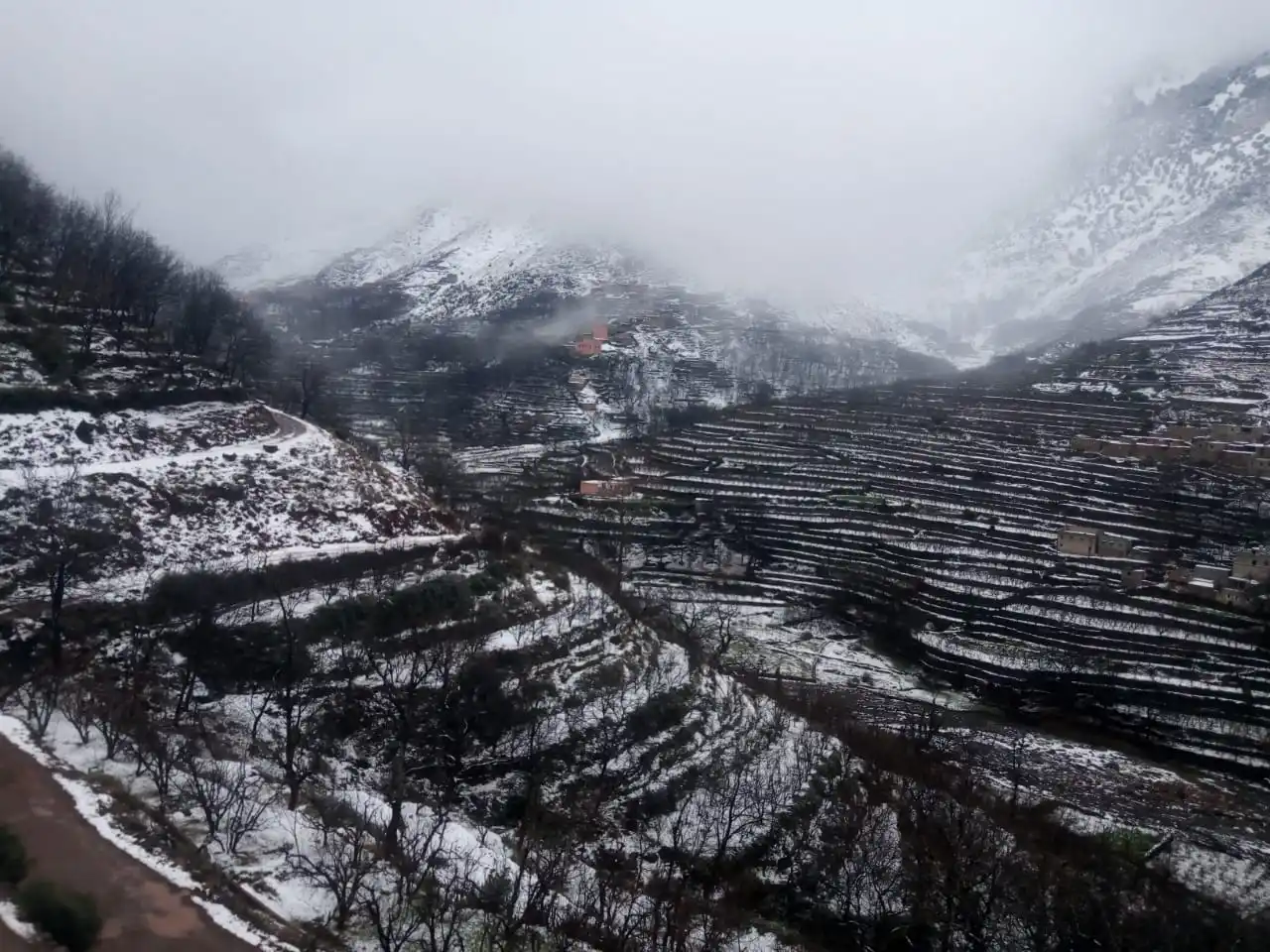
Winter snowfallFrom November to March the high peaks hold deep snow and ice, and Toubkal becomes a true winter climb — while lower villages stay green and walkable.
Summer temperaturesJune to August is hot in the low valleys (30°C+) but fresh up high. Early starts beat the heat and the afternoon storms that can build over the ridges.
Spring conditionsMarch to May brings blossom, green terraces and full streams. Snow clears steadily from the passes, making late spring ideal for valley and village treks.
Autumn trekking seasonSeptember and October offer the year's most settled weather — warm days, cold clear nights and golden light — perfect for both high routes and summits.
Traditional Berber house of stone and earth in a High Atlas mountain village Living Amazigh villages

Berber Villages of the High Atlas

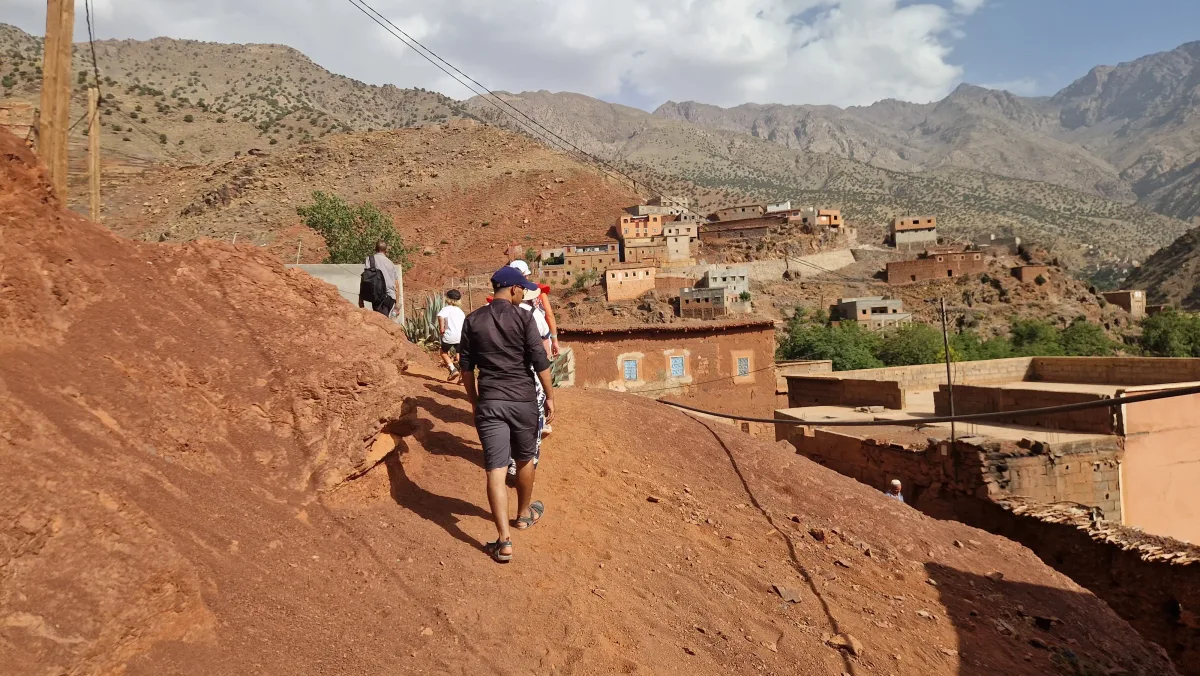
The soul of Atlas trekking is not the summits but the Amazigh (Berber) villages scattered across its valleys — clusters of earth-and-stone houses that have farmed these slopes for centuries. Walking between them, staying in family guesthouses and sharing meals is what turns a hike into a genuine cultural journey.

Traditional mountain villagesTerraced fields, mud-brick homes and communal life little changed for generations, set against a backdrop of 4,000 m peaks.
Legendary hospitalityAmazigh families are famous for welcoming trekkers as guests, with endless mint tea and a genuine warmth that stays with you long after the walk.
Home-cooked mountain foodSlow-cooked tagines, fresh bread, olive oil and vegetables from village terraces, shared around the family table each evening.
Authentic mountain lifeSee daily rhythms up close — muleteers, shepherds, weekly souks and terraced farming that shape the whole High Atlas.
Supporting local communitiesTrekking with local Amazigh guides, cooks and guesthouses keeps your money in the mountains and helps sustain village life directly.

Day Hikes vs Multi-Day Treks

Short on time or ready to go deep? Here is how a single day in the Atlas compares with a multi-day village-to-village trek, so you can pick what fits your trip.

 Atlas Day HikesMulti-Day Atlas Treks
Duration A single day from Marrakech, back the same evening 2 to 7 days linking valleys, passes and villages
Fitness level Easy — a few hours of gentle walking suits most people Moderate — comfortable walking 4 to 6 hours over several days
Accommodation None needed; return to your Marrakech riad at night Berber guesthouses or a mountain refuge each night
Cultural depth A taste of village life and mountain scenery Immersive — live the rhythm of the mountains day and night
Ideal traveller Time-pressed visitors wanting a mountain day out Hikers seeking real adventure, remote valleys and true immersion

What to Pack for Atlas Trekking

Mountain weather changes fast and nights are cold at altitude even in summer. Pack for several seasons in one day and keep your day pack light — a mule can carry the rest.

Hiking BootsBroken-in, ankle-supporting boots with good grip for rocky paths and scree — the single most important item.
Warm LayersMoisture-wicking base layers plus a warm fleece or down mid-layer for cold mornings and high passes.
Waterproof JacketA waterproof, windproof shell for sudden mountain showers, wind on the passes and cold summits.
Sun ProtectionHigh-factor sunscreen, lip balm, a sun hat and category 3–4 sunglasses — UV is intense at altitude.
WaterAt least 2 litres of capacity plus electrolytes; dry mountain air and altitude dehydrate you fast.
Trekking PolesA pair of adjustable poles saves your knees on the long, steep valley descents.
Hat & GlovesA warm hat and gloves for cold starts and high passes, essential on summit and winter routes.
Day PackA comfortable 20–30 litre pack for water, layers, snacks and camera while a mule carries the main bags.
Winter Gear (Nov–Mar)For high or winter routes add crampons and an ice axe — we can advise and supply these.

Atlas Mountains Hiking FAQ

The best times for hiking the Atlas Mountains are spring (April to June) and autumn (September to October), when days are warm, valleys are green or golden and the high passes are largely free of snow. Summer is excellent for high-altitude routes and Toubkal, though the lower valleys are hot, so early starts help. Winter (November to March) is beautiful for lower village walks, but the high peaks are under snow and become winter mountaineering objectives that need crampons and a qualified guide.
Yes. The High Atlas offers a full ladder of difficulty, so beginners can start with gentle half-day and full-day Berber village walks around Imlil and the Azzaden Valley, sleeping in comfortable guesthouses each night. With a local guide handling logistics, a mule carrying the bags and a steady pace, even first-time hikers can complete a rewarding one to three-day trek. From there you can progress to longer valley traverses and, eventually, the Toubkal summit.
The High Atlas is remarkably close to Marrakech. The trailhead village of Imlil sits about 65 km south of the city, roughly a 90-minute drive, while the Ourika and Azzaden valleys are a little over an hour away. This easy access means you can leave a Marrakech riad in the morning and be walking through Berber villages beneath 4,000 m peaks by lunchtime, making the Atlas ideal for both day hikes and multi-day treks.
A local guide is strongly recommended and, for higher routes such as Mount Toubkal inside the national park, officially required and checked at Imlil. Beyond the rules, a guide manages route-finding, mountain weather, altitude and safety, opens doors into Berber village life and keeps your money in the local economy. Every Qimal Tours Atlas trek includes a licensed Amazigh mountain guide born in these valleys.
Bring broken-in hiking boots, warm layers including a fleece and a waterproof, windproof jacket, sun protection (sunglasses, high-factor sunscreen and a sun hat), at least two litres of water capacity, and trekking poles for the descents. Mountain weather changes fast and nights are cold at altitude even in summer, so pack for several seasons in one day. For winter or high-summit routes, add a warm hat, gloves and, if required, crampons and an ice axe, which we can advise on and supply.
Yes. The Atlas Mountains are a safe and welcoming hiking destination, and the Berber communities are famous for their hospitality. The main risks are environmental rather than human, namely altitude, fast-changing weather and steep terrain, and all of them are easily managed by trekking with an experienced local guide, preparing properly and choosing a route that matches your fitness. Trekking with a licensed Amazigh guide adds route knowledge, weather awareness and emergency support on every trail.

The High Atlas is full of quieter valleys, village walks and summit routes. Explore the rest of the Qimal trekking collection.

Hike the
Atlas Mountains

Tell us your dates, fitness and how long you have, and our local Amazigh guides will design your ideal Atlas Mountains hike — free advice, no pressure.