
The best time to visit Morocco is during spring (March-May) and fall (September-November) when temperatures are mild, ranging from 20-28°C, and the country offers perfect conditions for exploring cities, deserts, and mountains without extreme heat or crowds.
Morocco's diverse geography creates varied climates throughout the year. Understanding seasonal weather patterns helps you choose the perfect time for your interests—whether that's trekking the Atlas Mountains, exploring the Sahara Desert, relaxing on coastal beaches, or wandering through imperial cities.
Quick Facts
Key Takeaways
- Spring (March-May) and fall (September-November) offer the best overall weather
- Summer (June-August) brings extreme heat inland but pleasant coastal weather
- Winter (December-February) is ideal for southern Morocco and desert tours
- Shoulder seasons provide fewer crowds and better prices on accommodations
- October is the single best month: perfect weather, thinner crowds, lower prices
Table of Contents
- Spring in Morocco (March-May)
- Summer in Morocco (June-August)
- Fall in Morocco (September-November)
- Winter in Morocco (December-February)
- Weather & Best Season at a Glance
- Month-by-Month Guide
- Regional Climate Differences
- Costs by Season
- What to Pack
- Festivals and Events
- Getting Around Morocco
- Morocco on the Map
- Gallery
- Frequently Asked Questions
Spring in Morocco (March-May) - Peak Season
Spring is one of Morocco's two best travel seasons, offering ideal conditions across the entire country. Temperatures are comfortable, landscapes are lush and green, and flowers bloom throughout the countryside.
Weather & Temperatures
- Marrakech: 18-28°C (64-82°F), sunny and warm
- Sahara Desert: 22-32°C (72-90°F), perfect for camel treks
- Atlas Mountains: 12-20°C (54-68°F), ideal for hiking
- Coastal Cities: 16-24°C (61-75°F), pleasant sea breezes
Why Visit in Spring
- Perfect weather for all activities and destinations
- Blooming wildflowers in the Atlas Mountains and valleys
- Comfortable temperatures for desert tours and city exploration
- Longer daylight hours for sightseeing
- Mountain snow begins melting, creating beautiful waterfalls
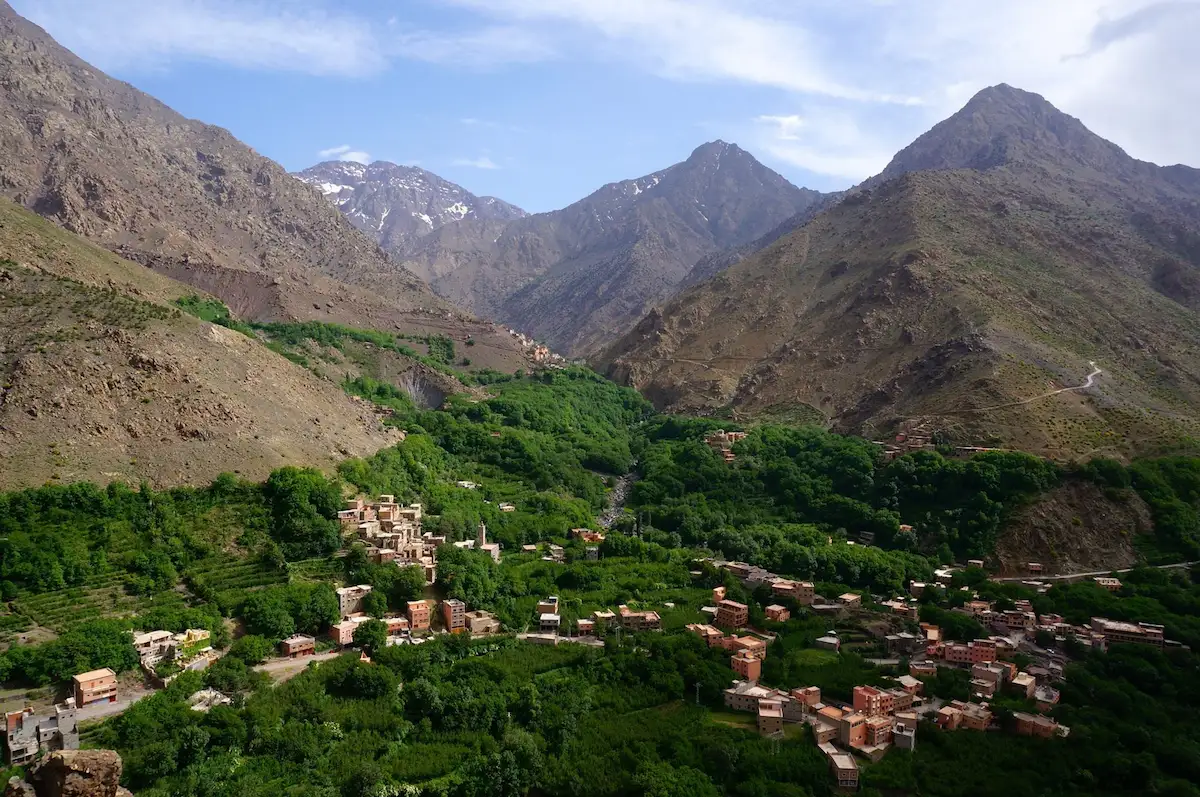
Spring is when my home valleys in the High Atlas come alive — almond and cherry blossom around Magdaz in late March. If you want the green mountains and the desert in one trip, come in early April: the Sahara is still cool enough for an overnight camp, and the passes are clear of snow.
Peak Season Note
March-May is peak tourist season, especially during Easter holidays. Book accommodations and popular desert tours well in advance. Prices are highest during this period, and major attractions can be crowded.
Summer in Morocco (June-August) - Hot Season
Summer brings intense heat to inland Morocco, making it the most challenging season for many travelers. However, coastal areas remain pleasant and popular with European tourists seeking beach vacations.
Weather & Temperatures
- Marrakech: 28-38°C (82-100°F), extremely hot with occasional 40°C+ days
- Fes: 26-38°C (79-100°F), intense heat in the medina
- Sahara Desert: 35-45°C (95-113°F), dangerously hot
- Essaouira: 20-26°C (68-79°F), comfortable coastal breeze
- Tangier: 22-28°C (72-82°F), pleasant Mediterranean climate
Summer Travel Strategies
- Focus on coastal destinations like Essaouira, Asilah, and Tangier
- Plan sightseeing for early morning (before 11 AM) and evening (after 5 PM)
- Stay in air-conditioned riads or hotels
- Visit indoor attractions during midday: museums, palaces, hammams
- Avoid desert tours in July-August
- Drink plenty of water and wear sun protection
Did You Know?
Essaouira stays so breezy in summer that it has become one of Africa's top spots for kitesurfing and windsurfing. While Marrakech bakes at 40°C, the "Windy City" rarely climbs past 26°C thanks to the cool Atlantic trade winds.
Summer Pro Tip
If you must visit in summer, consider northern Morocco's Mediterranean coast or mountain retreats like Ifrane and Azrou where temperatures remain moderate. An air-conditioned vehicle makes the difference between a miserable transfer and a comfortable one.
Fall in Morocco (September-November) - Best Season
Fall is arguably the absolute best time to visit Morocco. Temperatures cool down from summer highs, crowds thin out, and the weather is perfect for all activities from desert camping to city exploration.
Weather & Temperatures
- September: Still warm (24-32°C), similar to late spring
- October: Perfect temperatures (20-28°C), ideal for everything
- November: Cooler (16-24°C), comfortable for walking tours
Why Fall is Ideal
- Post-summer temperatures are comfortable across all regions
- Fewer tourists than spring, meaning better prices and availability
- Perfect weather for Sahara desert tours and camel treks
- Date harvest season - fresh dates available everywhere
- Clear skies ideal for photography and stargazing
- Comfortable temperatures for exploring medinas and souks
Fall Highlights
- October is the single best month to visit Morocco
- September still feels like summer in the south
- November can be rainy in the north but sunny in the south
- Hotel prices drop significantly compared to spring
Winter in Morocco (December-February) - Low Season
Winter brings cooler temperatures to Morocco, with regional variations. Northern cities can be cold and rainy, while southern Morocco and the desert enjoy mild, sunny weather—making it an excellent time for desert tours.
Weather & Temperatures
- Marrakech: 12-20°C (54-68°F), cool evenings, warm days
- Atlas Mountains: 0-10°C (32-50°F), snow above 2000m
- Sahara Desert: 18-24°C (64-75°F) days, 5-10°C (41-50°F) nights
- Essaouira: 12-18°C (54-64°F), can be windy
- Fes: 8-16°C (46-61°F), occasional rain
Winter Travel Advantages
- Lowest accommodation prices of the year
- Fewer tourists at major attractions
- Perfect weather for desert tours (warm days, cool nights)
- Excellent time for southern Morocco: Agadir, Ouarzazate, Merzouga
- Snow in Atlas Mountains enables winter sports
Winter Challenges
- Northern cities can be cold, damp, and rainy
- Many riads lack central heating (though they provide blankets)
- Mountain passes may close due to snow
- Shorter daylight hours (sunset around 5:30-6:00 PM)
- Some mountain accommodations close for the season
Don't write off winter — it's my favourite season for the Sahara. The days are warm and clear, the nights are cold enough for a fire and a sky full of stars, and you'll have the dunes almost to yourself. Just pack a proper warm layer for the desert camp; first-time visitors always underestimate how cold the Sahara gets after sunset.
Weather & Best Season at a Glance
Marrakech Temperatures by Season
| Season | Day temp | Feel |
|---|---|---|
| Spring (Mar–May) | 18–28°C | Warm, ideal |
| Summer (Jun–Aug) | 28–40°C | Very hot |
| Fall (Sep–Nov) | 20–32°C | Perfect |
| Winter (Dec–Feb) | 12–20°C | Cool, sunny |
When to Go
For most travellers combining cities, mountains and desert, aim for April, May, or October. Choose winter if your priority is the desert on a budget; choose the coast if you can only travel in summer.
Month-by-Month Travel Guide
January
Weather: Cold in the north, mild in the south. Crowds: Very low. Best for: Desert tours, budget travel, southern Morocco. Avoid Atlas Mountains due to snow.
February
Weather: Similar to January, gradually warming. Crowds: Low. Best for: Desert exploration, Agadir beach, avoiding crowds. Almond blossoms begin appearing.
March
Weather: Spring arrives, pleasant everywhere. Crowds: Increasing. Best for: All destinations. Wildflowers bloom in valleys. Book early for Easter period.
April
Weather: Ideal temperatures across Morocco. Crowds: High (peak season). Best for: Everything—cities, mountains, desert, coast. Perfect hiking weather.
May
Weather: Warm, especially late May. Crowds: Moderate to high. Best for: All activities before summer heat arrives. Rose Festival in Kelaa M'Gouna.
June
Weather: Hot inland, pleasant on coast. Crowds: Moderate. Best for: Coastal destinations, early morning/evening sightseeing. Gnaoua World Music Festival in Essaouira.
July
Weather: Extremely hot everywhere except coast. Crowds: Europeans on coast. Best for: Beach destinations only. Avoid desert and inland cities.
August
Weather: Peak heat continues. Crowds: High on coast, low inland. Best for: Coastal escapes. Worst month for Marrakech, Fes, and desert.
September
Weather: Still warm but improving. Crowds: Low to moderate. Best for: Shoulder season advantages, all destinations become accessible again. Date harvest begins.
October
Weather: Perfect conditions everywhere. Crowds: Moderate. Best for: Everything—this is THE best month to visit Morocco. Ideal temperatures, fewer tourists than spring.
November
Weather: Cooling down, some rain possible. Crowds: Low. Best for: Desert tours, southern Morocco, bargain hunters. Good shoulder season choice.
December
Weather: Winter sets in, cold nights. Crowds: Low except Christmas/New Year. Best for: Budget travel, desert tours, avoiding crowds. Some attractions have shorter hours.
Regional Climate Differences
Mediterranean Coast (Tangier, Tetouan, Chefchaouen)
Similar to southern Spain with mild winters and warm summers. Rainy season November-March. Best time: April-October.
Atlantic Coast (Casablanca, Essaouira, Agadir)
Moderated by ocean breezes. Essaouira remains cool year-round. Agadir has the mildest winter climate. Best time: Year-round, especially summer for beach activities.
Imperial Cities (Marrakech, Fes, Meknes)
Continental climate with hot summers and cool winters. Marrakech is particularly hot in summer. Best time: March-May, September-November.
Atlas Mountains
Alpine climate with snow in winter (December-March). Can be cool even in summer at high altitudes. Best time: April-October for trekking.
Sahara Desert & Pre-Sahara
Extreme temperatures: scorching summers, mild winters with cold nights. Best time: October-April, especially October-November and March-April.
Southern Morocco (Ouarzazate, Zagora)
Arid climate with hot summers and mild winters. Less extreme than deep Sahara. Best time: September-May.
Costs by Season
Season has a real effect on what you pay for riads, tours and flights. These are typical per-person daily on-the-ground costs (excluding international flights):
Typical Daily Budget
For a full breakdown by travel style, see our Morocco travel budget guide.
What to Pack by Season
Packing Essentials
- Spring/Fall: light layers plus a jacket for cool evenings
- Summer: breathable fabrics, sun hat, high-SPF sunscreen, refillable water bottle
- Winter: warm layers and a proper jacket, especially for desert nights and the Atlas
- All seasons: modest clothing (covering shoulders and knees), comfortable walking shoes, a scarf
Our complete Morocco packing list covers every season and destination in detail.
Major Festivals and Events by Season
Spring Festivals
- Rose Festival (May): Kelaa M'Gouna celebrates rose harvest
- Gnaoua World Music Festival (June): Essaouira's premier music event
- Fes Festival of World Sacred Music (May/June): Spiritual music from around world
Summer Festivals
- Marrakech Popular Arts Festival (July): Traditional music and dance
- Various local moussems: Religious pilgrimages and festivals
Fall Festivals
- Date Festival (October): Erfoud celebrates date harvest
- Imilchil Marriage Festival (September): Berber wedding tradition
Ramadan
Ramadan dates change yearly (Islamic lunar calendar). During Ramadan, many restaurants close during day, opening hours change, and some services are limited. It's still possible to visit, but expect adjustments. Non-Muslims can eat in hotels and some tourist restaurants.
Ramadan 2026: Approximately February 17 - March 18 (dates vary by moon sighting)
Ramadan Travel Tips
- Be respectful: don't eat/drink in public during fasting hours
- Experience iftar (evening meal breaking fast) for cultural immersion
- Expect some services to be slower during day
- Evenings are festive with special food and gatherings
Getting Around Morocco (and How Season Affects It)
How you move between regions changes with the weather — winter snow can close High Atlas passes, while summer heat makes long midday drives draining. Here are your main options:
Planning a long hop? See our guide to city-to-city private transfers.
Morocco Through the Seasons
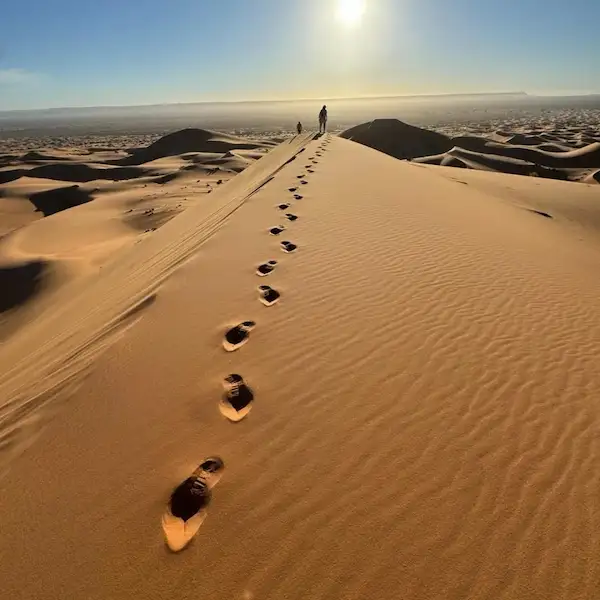
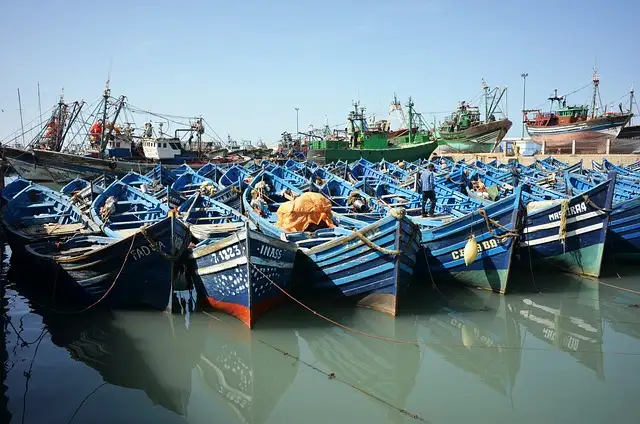
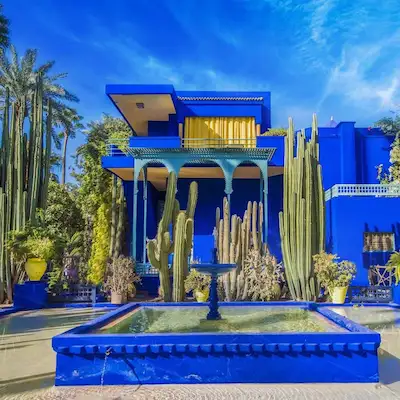

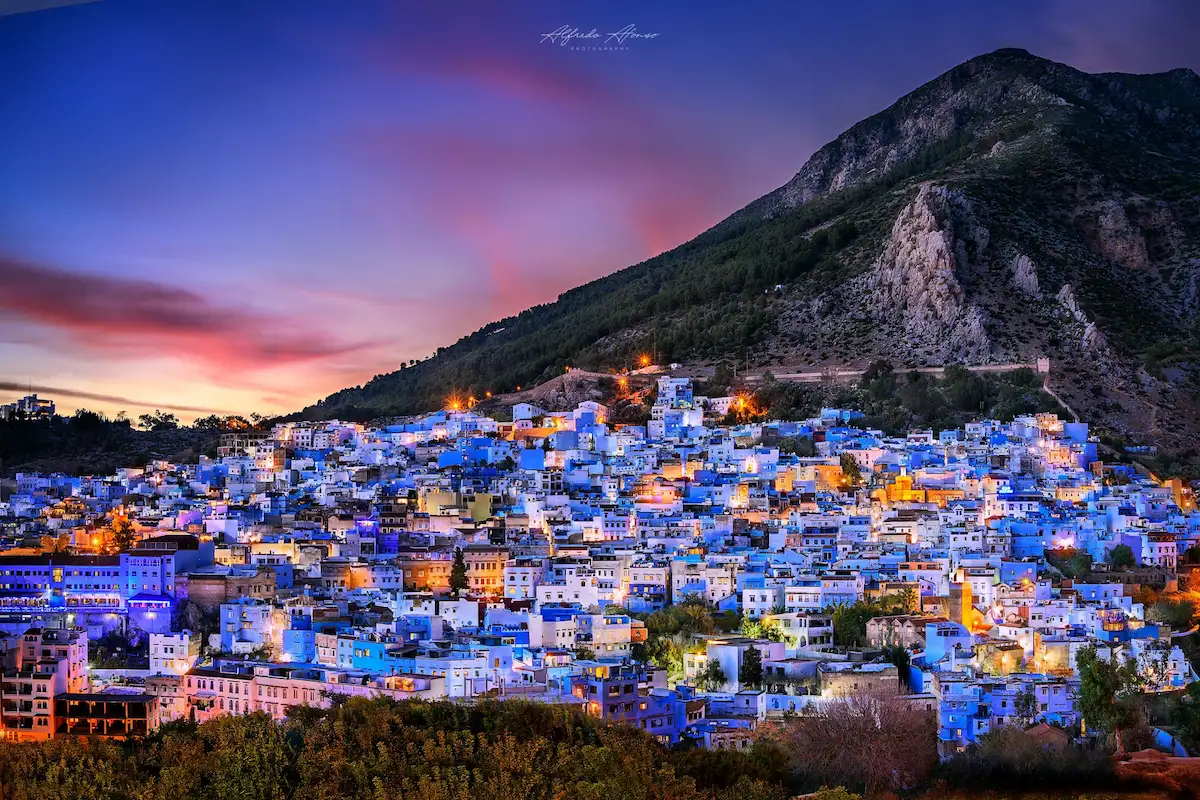
A year in Morocco: mountains, dunes, coast and medinas each have their own best season.
Where to Go in Each Season
Sahara (Merzouga)
Warm days, cold starry nights — skip in midsummer.
Essaouira
Cool Atlantic breeze when inland cities are too hot.
Atlas Mountains
Trekking weather; snow and skiing Dec–Mar.
Chefchaouen & the North
Mild and green; wetter Nov–Mar.
Frequently Asked Questions
What is the best time to visit Morocco?
The best time to visit Morocco is during spring (March-May) and fall (September-November) when temperatures are mild and comfortable across the country. October is particularly ideal, offering perfect weather, fewer crowds than spring, and lower prices. These shoulder seasons provide excellent conditions for exploring cities, deserts, and mountains.
What is the worst month to visit Morocco?
July and August are the most challenging months due to extreme heat (often exceeding 40°C) in cities and desert regions. If you must visit in summer, stick to coastal areas like Essaouira or northern cities. December and January can also be difficult in northern Morocco due to cold, rainy weather, though southern Morocco remains pleasant.
When is the best time to visit the Sahara Desert?
Visit the Sahara Desert from October to April when daytime temperatures are comfortable (20-25°C) and nights are cool. The absolute best months are March-April and October-November when temperatures are perfect for camel treks and overnight camping. Avoid summer (June-August) when desert temperatures can reach 45°C.
Is Morocco too hot in summer?
Yes, inland Morocco becomes extremely hot in summer (June-August), with temperatures in Marrakech, Fes, and the desert regularly exceeding 40°C (104°F). This makes outdoor activities uncomfortable and potentially dangerous during midday. However, coastal cities like Essaouira remain pleasant with ocean breezes. If visiting in summer, plan accordingly with early morning activities and air-conditioned accommodations.
How many days should I spend in Morocco?
Plan at least 7-10 days for a first visit to Morocco. This allows time for Marrakech (3-4 days), a desert tour (2-3 days), and one additional destination like Essaouira or the Atlas Mountains (1-2 days). Two weeks allows for a more comprehensive trip including multiple cities and regions.
Do I need to book accommodations in advance?
Yes, book 2-4 weeks in advance for spring (March-May) and major holidays (Easter, Christmas/New Year, Eid holidays). Fall and winter allow more flexibility, though booking a week ahead is still recommended for best riad selection.
What should I pack for Morocco?
Pack light layers that can be added or removed based on temperature changes. Spring/Fall: light clothing plus a jacket for evenings. Summer: breathable fabrics, sun hat, and sunscreen. Winter: warm layers, especially for desert nights. All seasons: modest clothing (covering shoulders and knees), comfortable walking shoes, and a scarf. See our complete packing guide for details.
Can I visit Morocco during Ramadan?
Yes, you can visit Morocco during Ramadan, though expect some changes. Many restaurants close during daylight hours (opening for non-Muslims in tourist areas), some attractions have reduced hours, and city rhythms shift to evening activity. However, it's a unique cultural experience with festive evening iftars (meals breaking fast) and special atmosphere. Be respectful by not eating or drinking in public during fasting hours.
Sources & References
- First-hand experience guiding travellers across Morocco year-round since 2021 (Qimal Tours).
- Morocco Direction Générale de la Météorologie — seasonal climate normals for Marrakech, Ouarzazate and Essaouira.
- Moroccan National Tourist Office (ONMT) — festival calendar and visitor information.
- Observed riad and tour pricing across low, shoulder and peak seasons, 2024–2026.