Pack light, modest layers: breathable clothes that cover your shoulders and knees, comfortable broken-in walking shoes, sun protection, and at least one warm layer for cold desert nights and Atlas mornings — whatever the season. Morocco isn't one climate, it's several stacked on top of each other, and the travellers who pack well are the ones who understood that before they zipped the case shut.
I grew up in Magdaz, a village high in the Atlas Mountains, and I've spent the last few years driving and guiding visitors from the Sahara to the Atlantic and back. I've watched people shiver through a sunrise camel ride in July because nobody told them the desert gets cold, and I've watched others lug a suitcase of winter coats into a 40°C Marrakech August. This guide is everything I wish every guest knew before they landed — written the way I'd tell a friend.
The Quick Answer
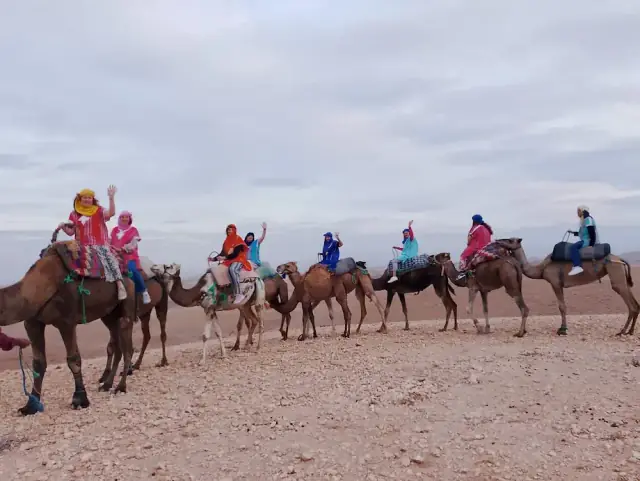
Everyone packs for the heat and forgets the cold. Desert nights and Atlas mornings can be genuinely chilly — one warm layer turns a miserable sunrise camel ride into the highlight of the trip. If you remember nothing else from this guide, remember that.
Key Takeaways
- Layers beat bulk. Morocco's day–night temperature swings can be 20°C, so pack things you can add and remove.
- Modest, not restrictive. Covering shoulders and knees in towns keeps you comfortable and shows respect — there's no dress law for tourists.
- Shoes make or break the medina. Bring comfortable, broken-in shoes with grip; the cobbles are uneven and slippery.
- The desert is cold at night. Always pack a warm layer for the Sahara, even in summer.
- One scarf does ten jobs. Sun shade, dust mask, modesty cover, blanket on cold transfers.
Table of Contents
- The Quick Packing Checklist
- What to Wear by Season
- What to Wear: City by City
- Packing for Women
- Packing for Men
- Packing for Children
- Desert Tour Essentials
- Atlas Mountains Trekking Essentials
- Electronics & Travel Accessories
- Medicines & Toiletries
- Common Packing Mistakes
- Local Advice from the Atlas
- Frequently Asked Questions
The Quick Packing Checklist
If you're short on time, this is the core kit that works for almost any Morocco trip, in any season. Scroll down for the detail; copy this if you just want the list.
Clothing
- Breathable tops that cover the shoulders (cotton, linen, or merino)
- Loose long trousers and/or maxi skirts or dresses
- One light long-sleeve shirt (sun, modesty, mosques)
- A warm layer — fleece or insulated jacket — every season
- A large, versatile scarf or shawl
- Swimwear (most riads have a pool or plunge pool)
- Sleepwear modest enough for shared riad terraces
Footwear
- Comfortable, broken-in walking shoes with grip
- Sandals you can slip off easily (riads, hammams, mosques)
The non-negotiables
- Sunglasses, sun hat, and SPF 50+ sunscreen
- Reusable water bottle (don't drink the tap water)
- Universal adapter (Morocco uses Type C/E plugs, 220V)
- Power bank, phone, and charger
- Hand sanitiser and a small pack of tissues
- Any prescription medication in its original packaging
- A secure crossbody bag or anti-theft daypack
Did You Know?
A single scarf is the hardest-working item in your Morocco bag: sun shade, modesty cover for shrines, dust mask in the desert, shoulder wrap in conservative villages, and a blanket on a cold early-morning transfer. Buy a beautiful one in the souk and it becomes a souvenir too.
What to Wear by Season
Morocco's seasons aren't subtle, and the same month feels completely different in coastal Essaouira, in Marrakech, and 2,000 metres up in the Atlas. Use these as your baseline, then adjust for where you're actually going.
Spring (March–May): the sweet spot
Spring is, in my opinion, the best time to visit Morocco — wildflowers in the valleys, snow still on the High Atlas peaks, and warm, comfortable days in the cities. Pack mostly for warm days (low to mid-20s°C) but bring real layers for cool evenings, especially early in March.
- 3–4 short or 3/4-sleeve tops, 2 long-sleeve shirts
- 2–3 pairs of light trousers or skirts
- A light jacket or cardigan, plus one warmer layer for the Atlas and desert
- Sun hat, sunglasses, and a scarf for dusty afternoons
If you're travelling in March, this is also the classic window for what to pack for Morocco in March: warm afternoons but genuinely cold mountain nights, so don't leave the fleece at home.
Summer (June–August): pack for the heat, prepare for the night
Inland Morocco is hot in summer — Marrakech, Fes and the Draa Valley regularly pass 40°C. The coast (Essaouira, Agadir, Casablanca) stays far more pleasant thanks to the Atlantic breeze. The trick is breathable fabric and sun discipline, but counter-intuitively, you still need a warm layer if the desert or mountains are on your itinerary.
- 4–5 loose, breathable tops (linen and cotton beat synthetics)
- Loose long trousers and maxi skirts — loose fabric is cooler and more modest than tight shorts
- A light long-sleeve shirt for sun protection
- A wide-brimmed hat, high-SPF sunscreen, and electrolyte sachets
- A light fleece — yes, even in July — for Sahara nights and air-conditioned interiors
Autumn (September–November): warm days, cooling nights
Autumn mirrors spring and is wonderful for touring. Early September can still be very hot inland; by November the evenings turn cool and the first rains arrive in the north. This is one of the most-searched seasons, so a quick word on each end:
- What to pack for Morocco in October: warm-but-not-scorching days, mild evenings. Light layers, a jacket for the desert, and comfortable walking shoes are all you need.
- What to pack for Morocco in November: noticeably cooler. Add a proper warm jacket, a couple of jumpers, and a light rain layer if you're heading north to Fes, Chefchaouen or Tangier.
Winter (December–February): warmer than you think by day, colder by night
Winter surprises people. Marrakech days are often a pleasant 18–20°C, but nights drop sharply, riads frequently have no central heating, and the Atlas Mountains get real snow. The desert can hover near freezing after dark.
- Warm layers: jumpers, a fleece, and an insulating but packable jacket
- Thermal base layers for desert nights and the mountains
- Warm hat, gloves and scarf if you're going up into the Atlas
- Closed-toe shoes, warm socks, and a light rain jacket for the north
For the precise breakdown of what to pack for Morocco in January — the coldest month — think layered warmth for the day and genuinely cold-weather kit for any night in the desert or mountains. See our best time to visit Morocco guide for month-by-month temperatures.
Layering Strategy
Whatever the season, build your outfits around three layers: a breathable base, a warm mid-layer (fleece or jumper), and a wind/rain shell. You can dress for a 40°C afternoon and a 10°C desert night out of the same small bag — that's the whole secret to packing light for Morocco.
What to Wear: City by City, Region by Region
The single most useful skill for Morocco is reading the room. The same outfit that's perfect on Essaouira's beach feels wrong in a Fes shrine. Here's how locals would expect you to dress in each setting.
What to wear in Marrakech
Marrakech is relaxed and used to visitors, so you have freedom — but it's still a working Moroccan city, not a resort. Aim for breathable clothes that cover the shoulders and reach the knee. Loose trousers, midi dresses, linen shirts and comfortable trainers will see you through the medina, the souks and a rooftop dinner. Save the beachwear and very short shorts for the pool. Evenings in spring, autumn and winter cool down fast, so carry a light jacket or scarf for after sunset in Marrakech's squares and gardens.
What to wear in the Sahara Desert
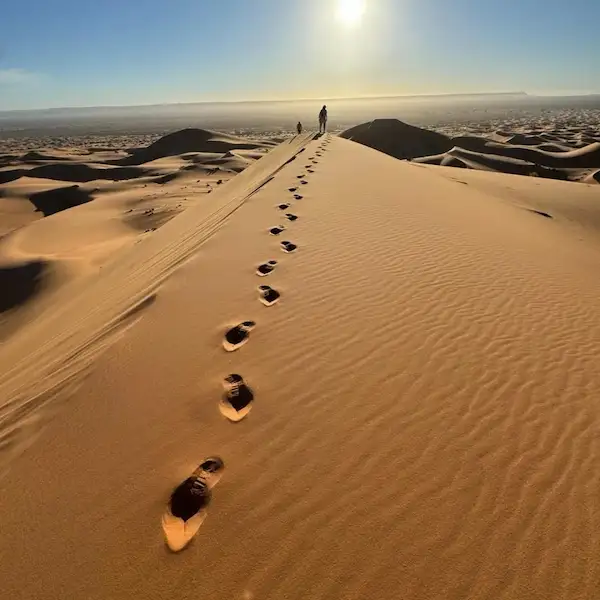
The desert demands the widest range of any single place in Morocco. By day: long, loose, light-coloured clothing that protects you from sun and blowing sand, plus a scarf you can wrap over your face. By night: a proper warm layer — fleece, beanie, and warm socks. Closed shoes protect your feet from hot sand and scrub; sandals are only for around camp. A scarf or shemagh for sandstorms isn't a costume, it's genuinely practical.
What to wear in the Atlas Mountains
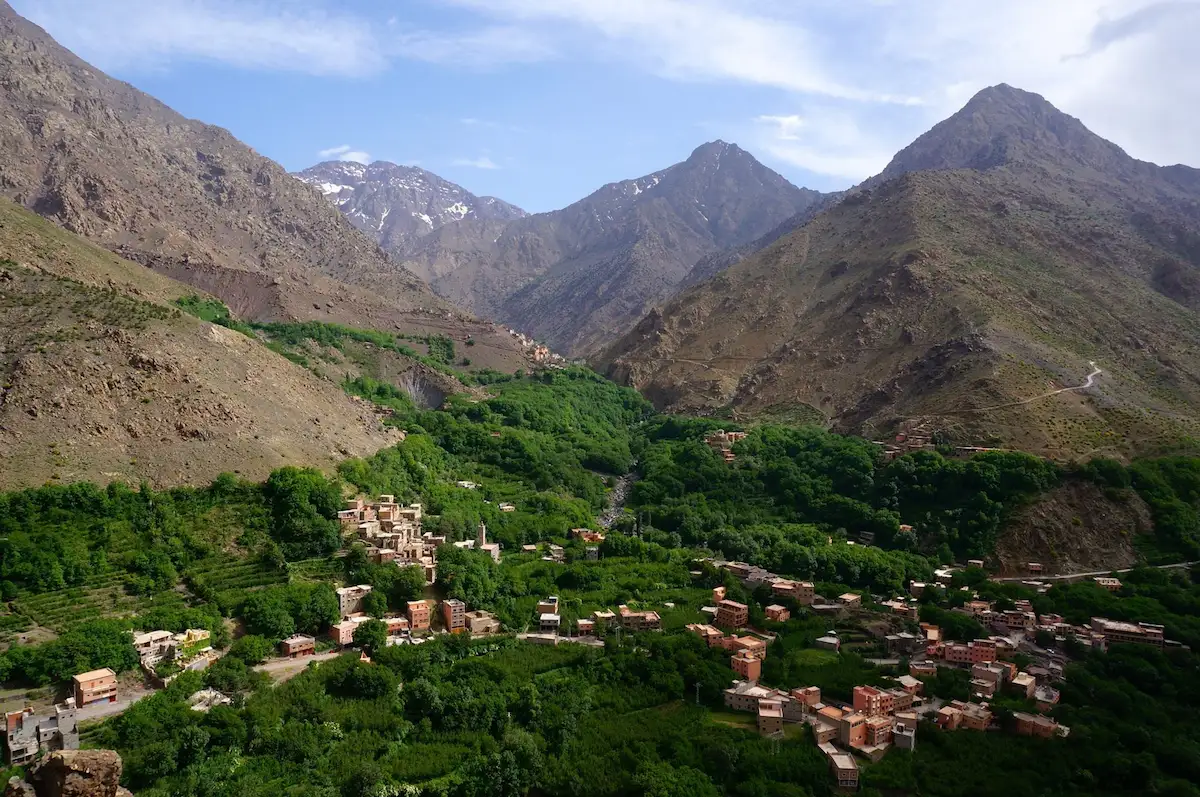
Altitude changes everything. Even on a warm day in Marrakech, the High Atlas can be 10–15°C cooler, and mornings are cold year-round. Dress in layers you can shed as you climb and add as the sun drops: a base layer, a fleece, and a windproof jacket. Bring proper footwear with grip — the paths are rocky. For a gentle Atlas day trip, trainers are fine; for trekking, see the dedicated section below.
What to wear in the coastal cities
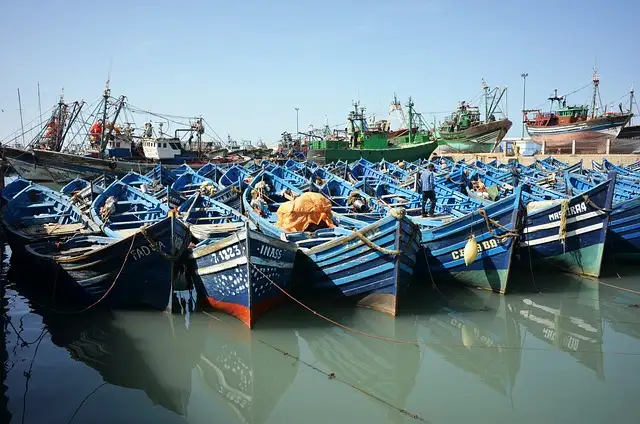
Essaouira, Agadir, Casablanca and the Atlantic coast are breezier, milder and more laid-back. You'll want a light jacket or jumper even in summer because the sea wind is constant and surprisingly cool in the evening. Beachwear is fine on the beach; in the medina and old town, the usual cover-your-shoulders rule still applies. Bring a windbreaker — Essaouira isn't nicknamed the "windy city" for nothing.
What to wear at religious sites
Most active mosques are closed to non-Muslims, but you'll visit shrines, madrasas, the Hassan II Mosque in Casablanca (which does admit visitors on tours), and countless small holy spots in villages. Cover shoulders, knees, and ideally upper arms; women should carry a scarf to drape over the head if asked. Shoes often come off, so slip-on footwear and clean socks make life easier. When in doubt, dress one notch more modestly than you think you need to — it's always appreciated and never wrong.
Read the Room
Dress codes loosen in tourist zones and tighten the moment you leave them. A village in the Atlas, a small-town market, or a family-run guesthouse is far more conservative than central Marrakech. Pack so you can cover up quickly — that one long-sleeve shirt and scarf give you the flexibility to be respectful anywhere.
Packing for Women
Morocco is a rewarding and welcoming place for women travellers, and dressing thoughtfully makes everything smoother — fewer stares, warmer interactions, and you'll simply be more comfortable. The aim is modest and practical, not covered head to toe.
Clothing that works beautifully here
- Maxi dresses and skirts — cool, modest, elegant, and perfect for photos
- Wide-leg and palazzo trousers — airy in heat, easy in the medina
- Loose linen and cotton tops with sleeves or that pair with a shawl
- A large scarf that doubles as shawl, sun cover, head covering and beach wrap
- A supportive walking shoe — you'll walk far more than you expect
Don't forget
- Feminine hygiene products from home — your usual brand can be hard to find
- Skincare and lip balm — sun, dust and dry desert air are harsh
- Hair ties and clips to keep hair off your neck in the heat
- An old swimsuit, flip-flops and a hair tie if you plan a traditional hammam
- A modest set of sleepwear for shared riad terraces and breakfasts
Shop Light, Buy There
Morocco has gorgeous scarves, kaftans, leather slippers and textiles for a fraction of home prices. Leave a little space in your case (or pack a foldable duffel) and buy a few pieces locally — they'll be more authentic, cheaper, and perfect for the climate.
Packing for Men
Men have slightly more flexibility than women, but the same logic applies: modest, breathable, and ready for big temperature swings. You'll blend in better and feel more comfortable in long, light trousers than in shorts and a vest.
- Light trousers and chinos — and lightweight jeans for cooler seasons
- T-shirts and collared shirts — skip sleeveless vests away from the pool
- A linen or button-down shirt as an easy extra layer and sun cover
- A fleece or light jacket for desert nights, mountains and winter evenings
- Comfortable walking shoes plus sandals for casual evenings
- Knee-length shorts are fine for the coast, pools and very touristy areas — but pack at least one pair of long trousers for towns, villages and shrines
One Smart-Casual Outfit
Rooftop restaurants, nicer riads and a special dinner all call for one tidy shirt and clean trousers. It takes no space and means you're never underdressed for the one memorable meal of the trip.
Packing for Children
Morocco is genuinely child-friendly — Moroccans adore kids, and you'll find families welcomed everywhere. The packing priorities for children are sun, hydration, comfort and keeping them occupied during longer drives between cities.
- Sun protection first: high-SPF kids' sunscreen, wide-brim hats, and UV-protective swimwear or rash vests
- Layers for the same day–night swings adults face — a fleece for desert nights and cool mornings
- Comfortable closed shoes for uneven medina streets, plus sandals
- A refillable water bottle each and plenty of familiar snacks for travel days
- A small first-aid kit with children's pain/fever relief and rehydration sachets
- Wet wipes, hand sanitiser and tissues — more than you think you'll need
- Entertainment for long transfers: tablet loaded offline, books, small toys
- A lightweight carrier for toddlers — pushchairs struggle on medina cobbles
Car Seats & Transfers
Child car seats aren't standard in Moroccan taxis. If you're travelling with little ones, bring your own or request one in advance when you book a private transfer — we can arrange seats so the family is safe and comfortable from the moment you land.
Desert Tour Essentials
The Sahara is the trip everyone remembers — and the one people are least prepared for. Extreme temperature swings, fine blowing sand and remote camps mean a few specific items make all the difference. Whether you're heading to Agafay or the Merzouga dunes, pack these.
Pack for the desert
- A warm layer for the night — fleece or insulated jacket, even in summer
- Light long-sleeve shirts and trousers for sun and sand
- A scarf or shemagh to wrap over your face in wind
- Closed-toe shoes for the dunes; sandals only for camp
- Sunglasses with a strap and a hat that won't blow away
- A headlamp or torch — camps have minimal lighting
- Lip balm and moisturiser — the air is extremely dry
- A small daypack for the camel trek, plus toilet paper and sanitiser
- Phone/camera dust protection and a spare battery — cold drains them fast
Leave behind
- Expensive jewellery and anything you'd hate to lose in the sand
- White or pale clothing (sand and dust stain quickly)
- Your big suitcase — most tours let you store it and take a small bag to camp
The Desert Temperature Reality
Sahara nights can be 20–30°C colder than the day. In July, the dunes still drop to 15–18°C after dark; in winter, near freezing. Pack a warm layer for sleeping regardless of season — this is the advice travellers thank me for most.
Atlas Mountains Trekking Essentials
This is home turf for me. The Atlas is spectacular and accessible, but the mountains write their own weather and don't care that it was 35°C in Marrakech that morning. If you're doing more than a gentle valley walk — a Toubkal ascent, a multi-day trek, or anything above 2,500m — treat it like the proper mountain environment it is.
Footwear & clothing
- Broken-in hiking boots with ankle support and real grip (not new ones)
- Moisture-wicking base layers — cotton stays wet and chills you
- An insulating mid-layer (fleece or light down)
- A waterproof, windproof shell jacket and trousers
- Warm hat, gloves and a buff — even in summer at altitude
- Hiking socks (bring spares; wet feet ruin a trek)
Gear & safety
- A 20–30L daypack with a rain cover
- Refillable water (2L+) and water purification tablets
- High-energy snacks and electrolyte sachets
- Sunglasses, high-SPF sunscreen and lip balm — UV is intense at altitude
- A headlamp, a small first-aid kit and blister plasters
- Trekking poles if your knees appreciate them on descents
- A sleeping-bag liner for mountain refuges (gîtes)
Growing up in Magdaz, the rule was simple: the mountain decides, not your plans. Pack the warm hat and the waterproof even on a blue-sky morning. Weather turns in an hour up there, and the people who suffer are always the ones who "didn't think they'd need it."
Electronics & Travel Accessories
Morocco is extraordinarily photogenic and reasonably connected, so a little tech goes a long way — but the sand, dust and patchy power in remote areas mean a few smart choices help.
- Universal travel adapter — Morocco uses Type C and E plugs at 220V
- Power bank — essential for long days out and desert camps with no sockets
- Phone, charger and cables — and consider a local eSIM or SIM for cheap data
- Camera, spare memory cards and batteries — cold desert nights drain batteries quickly
- Headphones for flights and long, scenic drives between cities
- A small dry bag or zip-loc bags to protect electronics from dust and sand
- An e-reader or tablet with offline maps and entertainment downloaded
- A small torch or headlamp for dim riads, medina alleys and the desert
Connectivity Tip
A local SIM or eSIM (Maroc Telecom, Orange or inwi) gives you cheap, reliable data in the cities — invaluable for maps and translation. Coverage thins out in the deep desert and high mountains, so download offline maps and your key bookings before you set off.
Medicines & Toiletries
Pharmacies in Moroccan cities are excellent and well stocked, so you don't need to bring a chemist's shop — but a few personal items and a small medical kit save you a lot of hassle, especially on the road.
Medicines
- Prescription medication in original packaging, with a copy of the prescription
- Stomach remedies — anti-diarrhoeal, rehydration sachets, antacids (changes in food and water happen)
- Pain relief and antihistamines
- A basic first-aid kit — plasters, blister plasters, antiseptic
- Motion-sickness tablets — mountain roads are winding
Toiletries & sun care
- SPF 50+ sunscreen and SPF lip balm — the sun is strong year-round
- Aloe vera gel for the sunburn you hopefully won't get
- Hand sanitiser and tissues/toilet paper — many public toilets lack paper
- Moisturiser — desert and mountain air is very drying
- Insect repellent for warm evenings, especially near oases and water
- Your usual personal toiletries in travel sizes (refill or buy more locally)
Water Wisdom
Stick to bottled or filtered water for drinking and brushing your teeth, and pack rehydration sachets just in case. A reusable bottle with a built-in filter is the eco-friendly way to stay safe and cut down on plastic.
Common Packing Mistakes Tourists Make
After years of meeting travellers at the airport, I see the same handful of mistakes again and again. Avoid these five and you're ahead of 90% of visitors.
1. Packing only for the heat
Morocco's reputation as a hot country is half the story. People arrive with t-shirts and sandals and nothing warm, then freeze on a Sahara night, a chilly Atlas morning, or in an unheated riad in January. Always pack a warm layer.
2. Forgetting layers for the desert nights
Even seasoned travellers underestimate how cold the desert gets after dark. A fleece, a beanie and warm socks weigh almost nothing and transform the experience. Skip them and the magical night under the stars becomes a shivering wait for sunrise.
3. Unsuitable footwear for the medina
The second-biggest mistake is brand-new shoes. The medina's cobbles are uneven, occasionally slippery, and you'll walk for miles. New shoes shred your feet by day two. Bring comfortable, broken-in shoes with grip — leave the white trainers and the heels at home.
4. Underestimating the mountains
"It was hot in Marrakech, so I didn't bring a jacket up the Atlas." I hear it constantly. Altitude can mean a 15°C drop and a cold wind. Pack a warm layer and a shell for any mountain day, even in summer.
5. Over-packing the suitcase
Hauling a huge case through a medina with no cars, or in and out of a desert camp, is miserable. Morocco is hot, laundry is cheap and easy, and the shopping is wonderful. Pack less than you think you need and leave room for what you'll buy.
The Smooth Arrival
Book your airport transfer before you fly so a local driver meets you, helps with a SIM card or cash on the way, and gets you straight to your riad — even down the narrow lanes where taxis can't go. It's the easiest way to start the trip on the right foot.
Local Advice from a Marrakech & Atlas Expert
Here's the stuff that isn't on any standard packing list — the things I tell guests when they ask "what do you wish people knew?"
- Buy your scarf and slippers here. A souk scarf is cheaper, more beautiful and more useful than anything you'll bring, and leather babouche slippers are perfect for riads and warm evenings.
- Dark and earthy colours hide dust. Desert sand and city dust show instantly on white and pastel. You'll look fresher longer in tans, terracottas and deep blues.
- Carry small cash in small notes. Tips, taxis, mint tea and souk treats all run on coins and small dirham notes — vendors rarely have change for big ones.
- A foldable tote lives in my car for guests. You'll accumulate things — water, fruit from a roadside stall, a rug you didn't plan to buy. Bring one and thank me later.
- Respect earns warmth. Dressing modestly in villages and shrines isn't a rule imposed on you — it's a small courtesy that opens doors, conversations and the famous Moroccan hospitality.
- Pack patience. The most important thing in your bag isn't a thing at all. Morocco rewards travellers who slow down, accept the mint tea, and let the day unfold.
Frequently Asked Questions
Can I wear shorts in Morocco?
Yes, but with judgement. Knee-length shorts are fine around pools, beach towns like Essaouira and Agadir, and tourist-heavy parts of Marrakech. In the medina, smaller towns, rural villages and religious sites, lightweight long trousers or maxi skirts are far more comfortable and respectful. Men have a little more leeway than women, but very short shorts feel out of place anywhere away from the coast.
Do women need to cover their hair in Morocco?
No. Non-Muslim women are not expected to cover their hair anywhere in Morocco, including in the streets, souks and restaurants. A scarf is still one of the most useful things in your bag — for shade in the sun, dust in the desert, draping over your shoulders in conservative areas, and covering your head if you're allowed into a working mosque or shrine. Carry one, but you'll rarely need it on your head.
Is Morocco a conservative country for dress?
Morocco is a moderate Muslim country. Cities like Marrakech, Casablanca and the coastal resorts are relaxed and used to tourists, while rural villages and the older medinas are more traditional. There's no dress law for visitors, but covering shoulders and knees in towns is the simple rule that keeps you comfortable and shows respect. The further you get from tourist areas, the more modest the local dress becomes.
Do I need hiking shoes for Morocco?
For cities and the medina, sturdy trainers or walking shoes with grip are enough. You only need proper hiking boots if you plan to trek in the Atlas Mountains — for a Toubkal ascent or multi-day trek, broken-in boots with ankle support are essential. For a gentle Atlas day trip or valley walk, good trainers or light hiking shoes will do the job.
Is a jacket necessary in the desert?
Yes — a warm layer in the desert is non-negotiable, even in summer. The Sahara can be 35°C by day and drop to 15°C at night in July, and near freezing in winter. A fleece or insulated jacket plus a scarf turns a cold, miserable sunrise into the best part of the trip. This is the single item travellers most often forget and most regret leaving behind.
What is the biggest packing mistake tourists make in Morocco?
Packing only for the heat. Morocco's reputation as a hot country leads people to pack t-shirts and sandals and nothing warm, then they freeze on desert nights, chilly Atlas mornings and in unheated riads in winter. The second most common mistake is bringing brand-new, unbroken-in shoes that destroy your feet on the medina's uneven cobblestones within a day.
How much cash should I bring to Morocco?
Bring some Euros or US Dollars to exchange for dirhams on arrival, then rely on widely available ATMs in the cities. Carry plenty of small notes and coins for tips, taxis, street food and the souk, where vendors rarely have change for large notes. Cards work in hotels and bigger restaurants, but cash is king for markets and small shops. See our Morocco travel budget guide for real prices.
Should I bring toilet paper to Morocco?
Yes — a small pack of tissues or toilet paper plus hand sanitiser in your day bag. Hotels and riads provide paper, but many public toilets, roadside stops and smaller restaurants don't. You can top up easily at any pharmacy or shop, so just carry a little with you each day.