Red City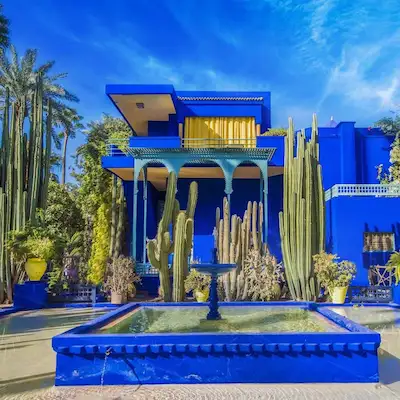
Marrakech
The vibrant heart of Moroccan tourism: the Jemaa el-Fna square, souks, palaces, gardens and countless riads. The perfect base for the mountains and desert.
Marrakech itineraryEverything you need to plan an unforgettable journey through Morocco — from the medinas of Marrakech and Fes to the High Atlas, the Sahara and the Atlantic coast.
Few countries pack as much variety into a single trip as Morocco. In a week you can wander a thousand-year-old medina, sip mint tea in a Berber village high in the Atlas Mountains, watch the sun set over Saharan dunes from the back of a camel, and fall asleep to Atlantic waves on the coast — all within one welcoming, richly cultured land at Europe's doorstep.
Morocco is a place of the senses: the colour of dyed leather and stacked spices, the call to prayer drifting over rooftops, the smell of slow-cooked tagine, and the endless patterns of tilework and carved cedar. It is also astonishingly diverse geographically, holding snow-capped peaks, green river valleys, palm oases, red-earth kasbahs and the golden emptiness of the desert.
Add to that a deep tradition of hospitality, a favourable exchange rate, short flight times from Europe and a tourism industry used to independent travellers, and it is easy to see why Morocco has become one of the world's most rewarding destinations. This guide brings together everything you need to plan the trip — from when to go and how to get around, to culture, food, money and safety.
Morocco sits in the far northwest corner of Africa, separated from Spain by just 14 kilometres of the Strait of Gibraltar — the meeting point of the Atlantic Ocean, the Mediterranean Sea, the Atlas Mountains and the Sahara.
Because of this position, Morocco blends African, Arab, Amazigh (Berber) and European influences into something entirely its own. The country divides neatly into a handful of travel regions: the imperial cities of the interior (Marrakech, Fes, Meknes and Rabat), the Atlantic coast (Casablanca, Essaouira, Agadir), the Atlas Mountains that run diagonally across the centre, the north (Tangier, Chefchaouen, the Rif) and the vast south and Sahara.
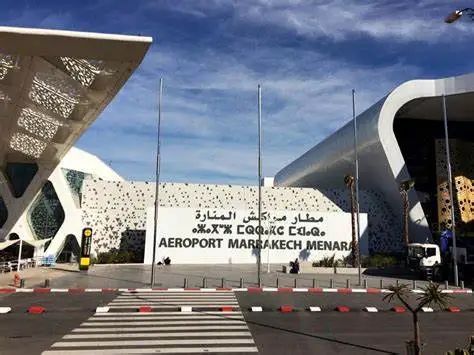
Most journeys start in Marrakech or Casablanca, both served by international airports, and fan out from there. Distances can be deceptive: mountain and desert roads are winding, so a good route plans travel time as carefully as the sights themselves.
Explore individual regions in our Atlas Mountains guide and destinations hub.
From imperial cities to desert dunes and blue-washed towns, these are the places that define a Moroccan journey.
The vibrant heart of Moroccan tourism: the Jemaa el-Fna square, souks, palaces, gardens and countless riads. The perfect base for the mountains and desert.
Marrakech itinerary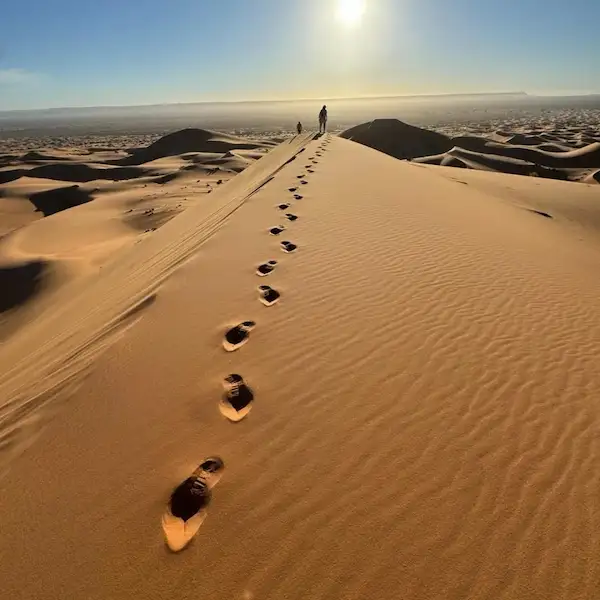
The great dunes of Merzouga and Zagora, camel treks, luxury desert camps and some of the darkest, most star-filled skies on earth.
Sahara desert tours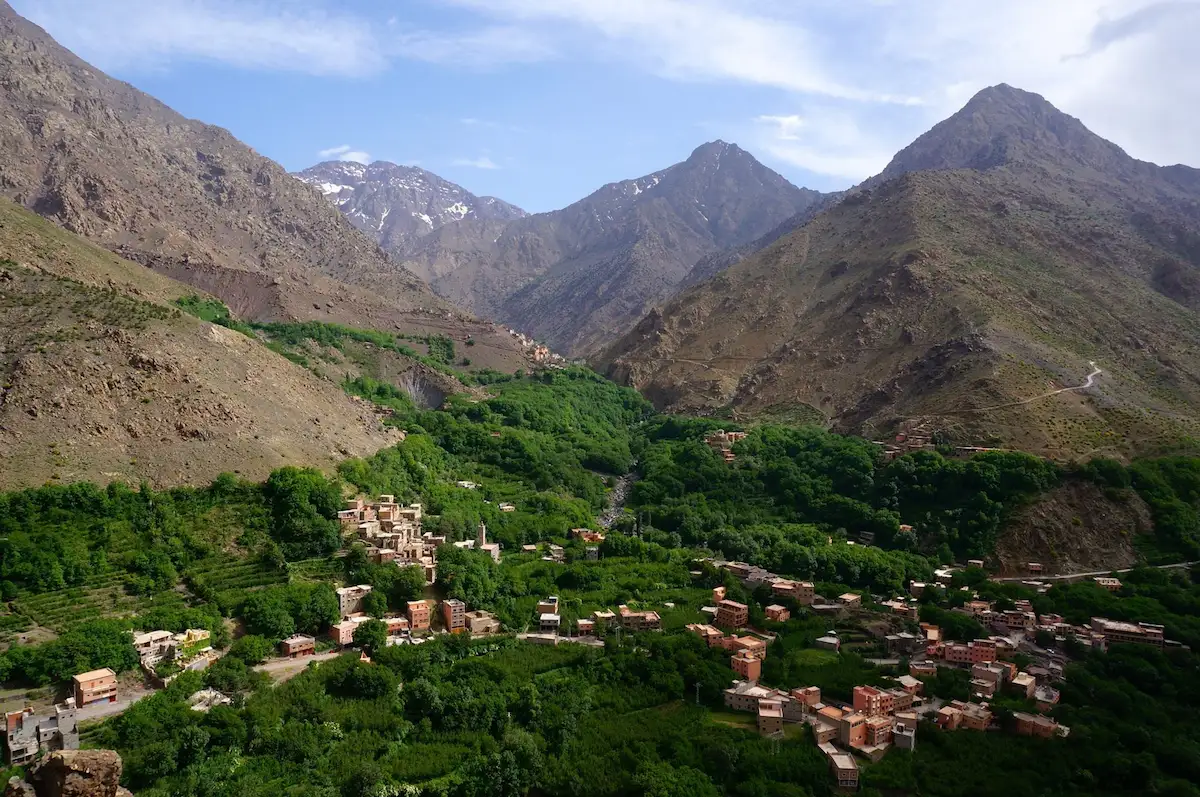
North Africa's tallest range, an hour from Marrakech: Berber villages, green valleys, waterfalls and the summit of Mount Toubkal.
Atlas Mountains guide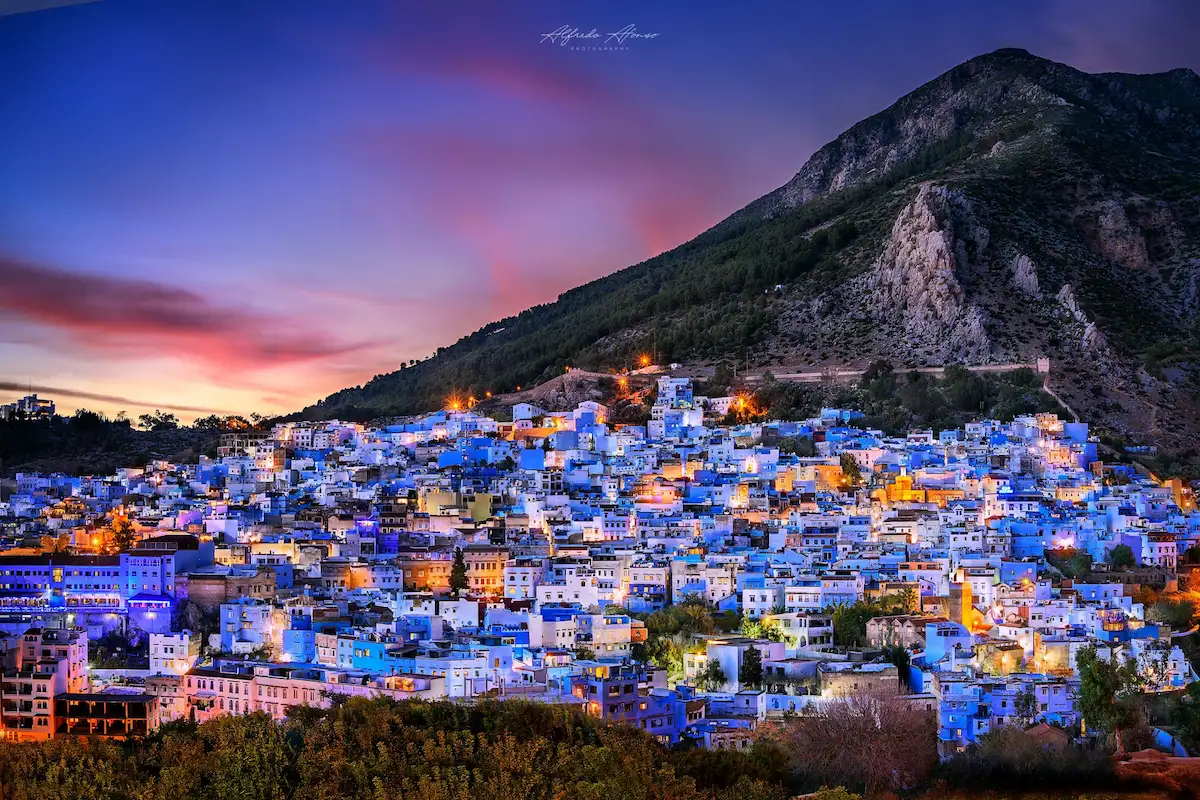
The famous blue-washed town in the Rif Mountains — a dreamy maze of indigo lanes, mountain views and relaxed cafes.
Northern Morocco tour
Morocco's spiritual and cultural capital, home to the world's oldest university and a labyrinthine medieval medina that time forgot.
Marrakech vs Fes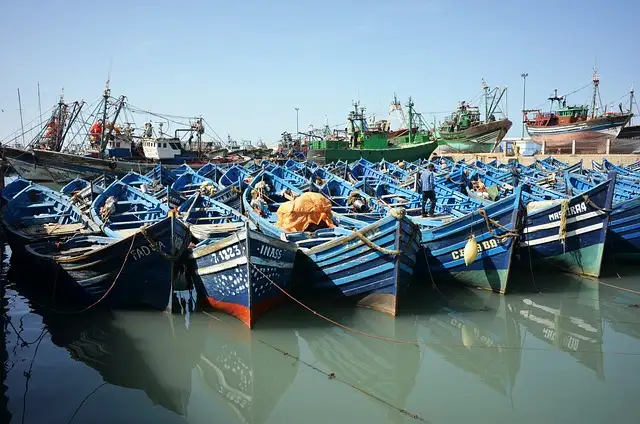
A breezy Atlantic port with ramparts, fresh seafood, art galleries and a laid-back surfer soul — an easy day trip from Marrakech.
Essaouira day trip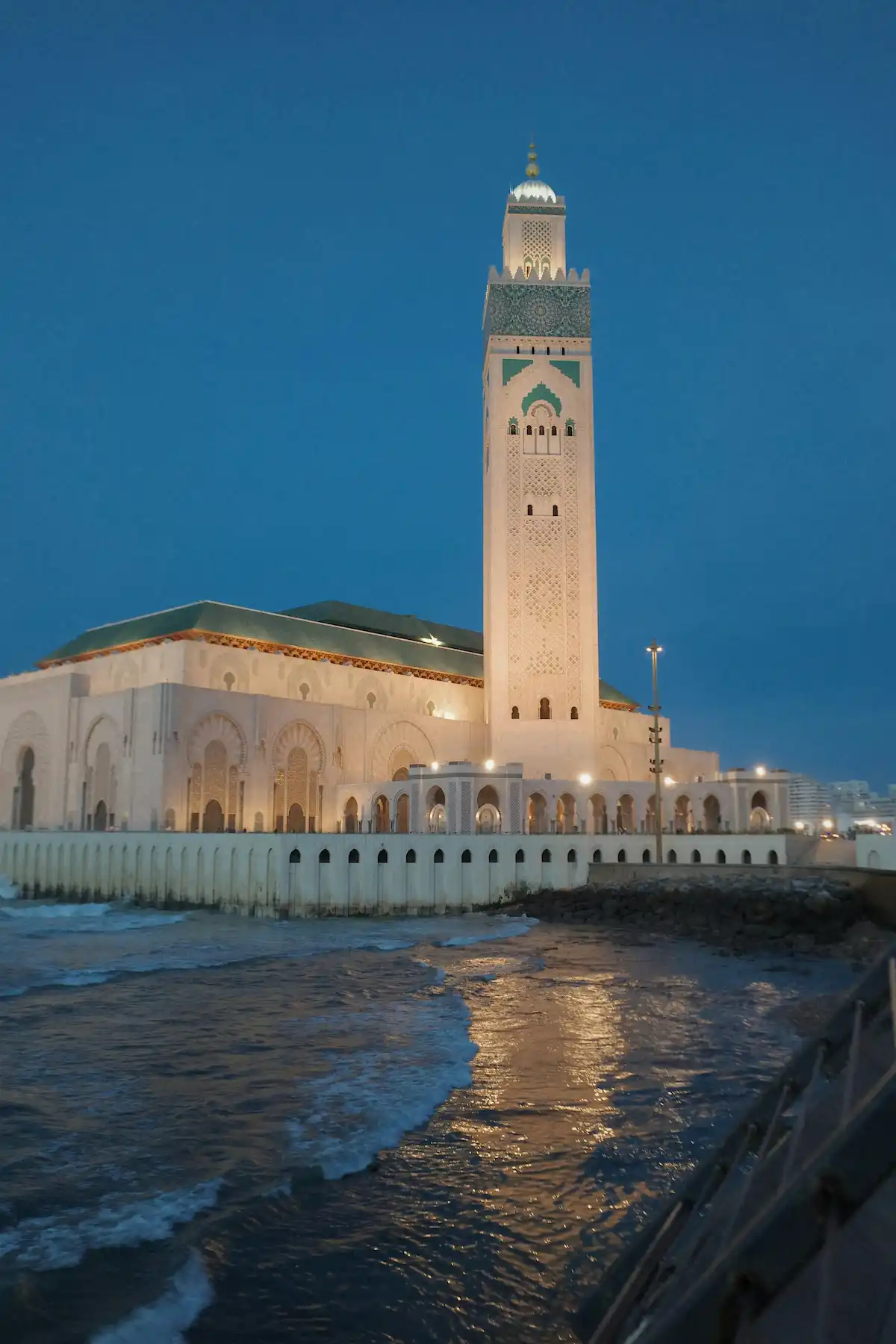
Morocco's cosmopolitan economic hub and main gateway, home to the vast Hassan II Mosque rising above the Atlantic.
Casablanca transfers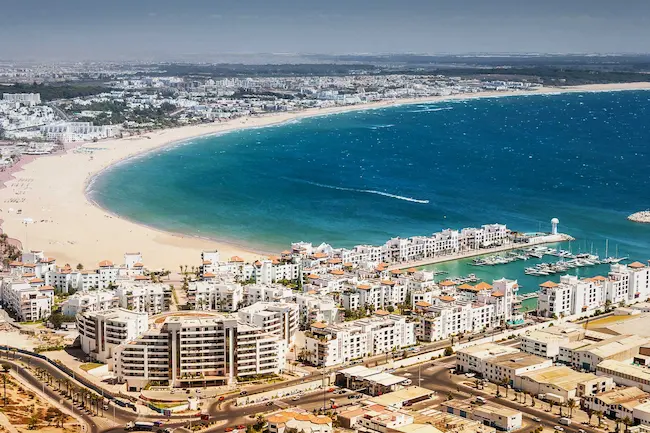
Morocco's premier beach resort: a long sweep of golden sand, sunshine almost year-round, and a relaxed base for the Souss region.
Agadir transfers
Ouarzazate's film studios, the Dades and Todra gorges, the Draa Valley, Rabat, Meknes, Volubilis and the palm oases of the south.
All destinationsThere is no single perfect month — the ideal time depends on where you are heading and what you want to do.
Spring (March–May) and autumn (September–November) are the sweet spots for most travellers. Days are warm but not scorching, the desert is comfortable, mountain valleys are green, and cities are pleasant for long days of exploring.
Summer (June–August) brings intense heat inland — Marrakech and the desert can exceed 40°C — so it suits the cooler Atlantic coast (Essaouira, Agadir) and higher altitudes best. Winter (December–February) is mild and sunny on the coast and in the south by day, cold at night, with snow and skiing in the High Atlas.
For a month-by-month breakdown, festivals and regional advice, read our full guide to the best time to visit Morocco.
Morocco has several climates at once — Mediterranean on the coast, continental inland, alpine in the mountains and arid in the desert — so conditions vary hugely by region and altitude.
Mar – May
~18–28°C
Warm, green and blooming. Excellent everywhere — cities, mountains and desert alike. One of the best times overall.
Jun – Aug
~28–42°C
Very hot inland and in the desert; head to the coast or the high mountains to stay cool and comfortable.
Sep – Nov
~16–30°C
Heat eases into clear, settled days. Prime time for the desert, the Atlas and city sightseeing.
Dec – Feb
~7–20°C
Mild sunny days on the coast and south, cold nights, and snow in the High Atlas — ski season at Oukaimeden.
Whatever the season, the Sahara and the mountains cool dramatically after dark — a hot day can turn into a cold night. Always pack a warm layer for desert camps and any time spent at altitude.
Distances are long and mountain roads are winding, so choosing the right transport shapes your whole trip. Here is how the main options compare.
| Option | Best for | Comfort | Notes |
|---|---|---|---|
| Private driver | Most travellers, families, desert & mountains | Highest | Door to door, flexible stops, no navigation stress |
| Airport transfer | Arrivals & departures | High | Fixed price, meet-and-greet, straight to your riad |
| Train (ONCF) | Northern cities | High | Fast, comfortable Tangier–Casablanca–Fes; no desert lines |
| Intercity bus | Budget travel | Medium | CTM & Supratours reach most towns; slower, fixed schedules |
| Rental car | Confident, independent drivers | Varies | Freedom to roam, but demanding roads and city parking |
The most popular choice for a relaxed trip. A professional driver handles the long roads and mountain passes while you enjoy the scenery and stop where you like.
Skip the arrival-hall haggling with a pre-booked transfer: a driver meets you by name and takes you directly to your accommodation for a set price.
Morocco's rail network links the main northern cities efficiently, including Africa's first high-speed line. Comfortable coaches cover the rest of the country.
Compare routes and book with a local team on our private transfers page, arrange a smooth Marrakech airport transfer, or, if you prefer the wheel, see our Morocco road trip guide for self-drive routes and tips.
How much you see depends on your time. These outline routes help you match the length of your trip to the right experience.
| Length | Ideal for | Suggested route |
|---|---|---|
| 3 Days | A first taste | Marrakech + a Sahara desert overnight |
| 5 Days | City + desert | Marrakech, Atlas, Merzouga dunes & kasbahs |
| 7 Days | The classic loop | Marrakech → desert → Fes across the Atlas |
| 10 Days | In-depth first trip | Imperial cities, mountains, desert & coast |
| 14 Days | The grand tour | North to south at a relaxed, immersive pace |
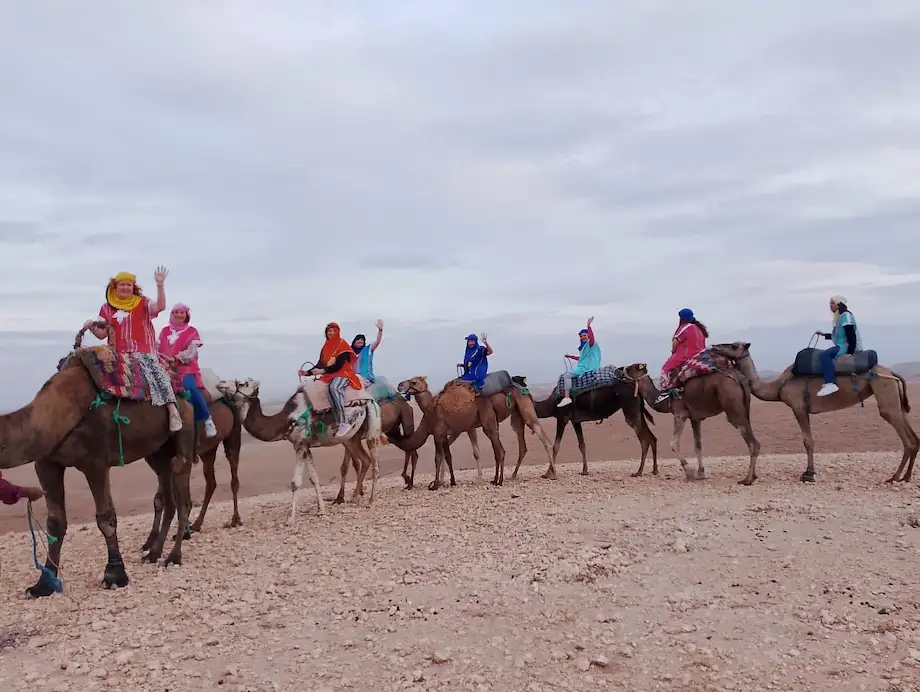
Short on time? Pair Marrakech with a desert overnight or a mountain day trip for an unforgettable long weekend.
3-day desert tourThe sweet spot for a first visit: combine an imperial city, the Atlas Mountains and a night under the Saharan stars.
7-day itineraryWith two weeks you can circle the country — cities, coast, mountains and desert — at a slower, richer pace.
14-day itineraryBrowse full day-by-day plans in our Morocco itinerary hub and 10-day itinerary, or choose a guided multi-day route on the Morocco circuits page. Every trip can be tailored to your dates and pace.
Morocco's culture is a living blend of Amazigh (Berber), Arab and Andalusian roots, held together by Islam and an unshakeable tradition of hospitality.

Hospitality begins with a glass of mint tea
The Amazigh are Morocco's indigenous people, whose language, music and crafts predate recorded history and still shape mountain and desert life. Layered over this are centuries of Arab and Andalusian influence, visible in the architecture, cuisine and the Arabic language.
Islam is central to daily life — the call to prayer sets the rhythm of the day — but Morocco is used to visitors and welcomes them warmly. The famous Moroccan hospitality is real: expect to be offered tea, and to be treated as a guest rather than a customer.
The indigenous Berber culture of the mountains and desert, with its own languages, symbols, music and hand-woven crafts.
Welcoming a stranger with food and tea is a point of honour. Accepting is a compliment; a small gift or genuine thanks is appreciated.
Islam shapes daily life. Non-Muslims cannot usually enter working mosques, but can admire the architecture from outside.
Greet with a smile, use your right hand for eating and giving, dress modestly and always ask before photographing people.
Haggling is expected and friendly in the markets. Start well below the asking price, stay good-humoured, and walk away if it feels wrong.
Things run on their own rhythm. Patience and a relaxed attitude go a long way — "inshallah" is part of the charm.
For dress codes, greetings, dining etiquette and dos and don'ts, see our detailed guide to Moroccan culture, customs and etiquette.
Morocco is largely a cash society, especially outside the cities. Knowing how the dirham works saves stress and helps you tip well.
The Moroccan dirham (MAD) is a closed currency, meaning you get it inside the country. Withdraw or exchange on arrival and keep small notes handy.
ATMs are plentiful in cities and towns and are the easiest way to get dirhams. Withdraw larger amounts to reduce per-transaction fees.
Cards work in hotels, larger restaurants, supermarkets and modern shops — but souks, taxis, cafes and rural areas are cash only.
Tipping (baksheesh) is customary: a few dirhams for cafe staff and porters, around 10% in restaurants, and more for private guides and drivers.
Plan your spending with our Morocco travel budget guide, decide when to use plastic with cash or card in Morocco, and get the etiquette right in our complete tipping guide.
Moroccan cuisine is one of the world's great food traditions — slow-cooked, aromatic and built around sharing.
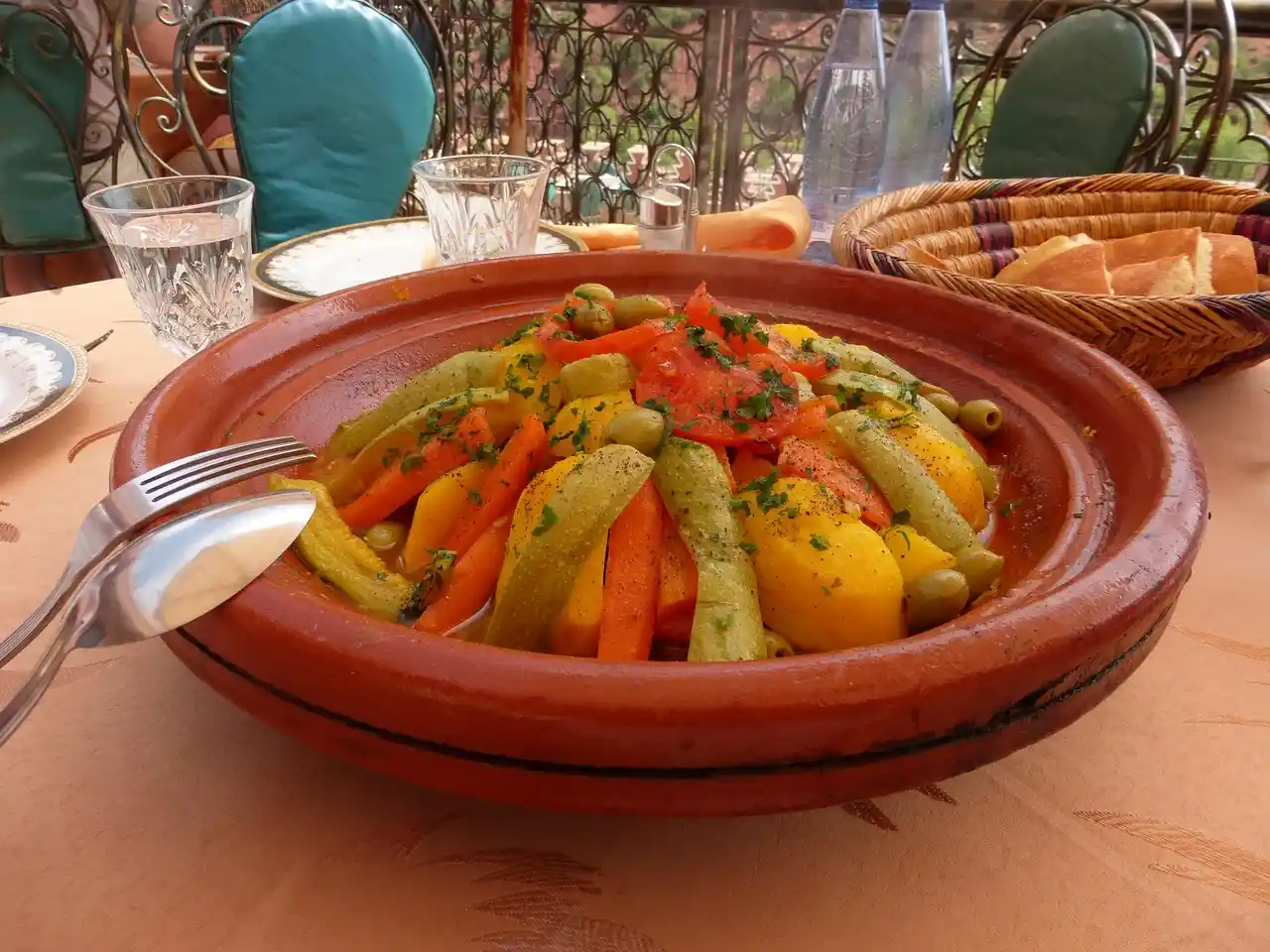
Tagine — the icon of Moroccan cooking
At the centre of the table sits the tagine, a fragrant stew of meat or vegetables slow-cooked with preserved lemon, olives and spices. Fridays mean couscous, shared from a communal dish; other staples include hearty harira soup, delicate pastilla pie, grilled brochettes and mountains of fresh bread.
Meals are seasoned with cumin, saffron, ginger, cinnamon and the famous ras el hanout spice blend, and finished with sweet mint tea and honeyed pastries. Whether you eat in a rooftop riad, a street stall or a Berber home, food is where Moroccan hospitality shines brightest.
Discover the dishes, drinks and dining tips in our full Moroccan food guide.
Morocco is one of the safer destinations in the region and welcomes millions of visitors, including solo and female travellers, every year.
Violent crime against tourists is rare. The everyday realities are more about persistence than danger: unofficial guides, insistent vendors, and the occasional attempt to overcharge or misdirect. A confident, polite "no thank you", agreeing prices in advance, and keeping valuables secure handle almost every situation.
Women travelling solo will attract some attention but generally find Morocco manageable with modest dress and the usual awareness. As anywhere, take care in crowded medinas at night, use registered taxis or a trusted driver, and keep an eye on official travel advice for your nationality.
Settle the fare or the price before a taxi ride, a guide or a purchase to avoid misunderstandings.
Book registered taxis, official airport transfers or a known private driver, especially at night.
In the medinas, politely decline unsolicited help finding your way; use a map or an official guide.
For a detailed, up-to-date breakdown — including women's travel and common scams — see our Morocco safety guide.
Morocco's range of climates means you pack for a city, a mountain and a desert in one bag. Layers are the answer.
Light, loose layers that cover shoulders and knees keep you cool and respectful in medinas and villages.
Desert nights and mountain evenings get cold year-round — bring a fleece or jacket even in summer.
Medina streets are uneven and dusty. Closed, broken-in walking shoes beat sandals for city days.
Sunglasses, a hat and high-SPF sunscreen are essential, plus a scarf for sun, dust and cool mosques.
Morocco uses European-style plugs (Type C/E, 220V). Bring any medicines, a power bank and hand sanitiser.
Keep small dirham notes for tips and taxis, and a secure day bag for the souks.
See our season-by-season what to pack for Morocco guide for a complete list.
Morocco has fast, cheap and widely available mobile data, so staying connected is easy almost everywhere except the remote mountains and deep desert.
The three networks — Maroc Telecom, Orange and Inwi — all sell inexpensive tourist SIM cards with generous data. You can buy one at the airport on arrival (bring your passport) or at official shops in town, where staff will set it up for you in minutes. A local eSIM is a convenient alternative if your phone supports it.
Wi-Fi is standard in riads, hotels and cafes, though speeds vary. Coverage is excellent in cities and along main roads, patchy in the High Atlas valleys, and often absent at desert camps — part of the appeal of switching off under the stars.
Compare networks, prices and eSIM options in our Morocco SIM card guide.
Getting into Morocco is straightforward for most visitors, but the details depend on your nationality — and rules do change.
Citizens of many countries — including the UK, the EU, the US, Canada, Australia and others — can enter Morocco visa-free for up to 90 days for tourism. You will typically need a passport valid for the duration of your stay, an onward or return ticket, and details of where you are staying.
Nationals of other countries may need to apply for a visa or an electronic authorisation in advance. Entry requirements, passport-validity rules and any health forms can change at short notice.
This is general guidance only, not legal or immigration advice. Before you travel, confirm the current visa and entry requirements for your nationality with your own government's official travel advice and the relevant Moroccan consulate or embassy.
The questions travellers ask us most before planning a trip to Morocco.
Morocco is generally a safe and welcoming country for tourists, including solo and female travellers. The most common issues are minor — persistent street vendors, unofficial guides and occasional overcharging. Use normal city precautions, agree prices in advance, and you will find Moroccans overwhelmingly hospitable.
Citizens of many countries, including the UK, EU, US, Canada and Australia, can enter Morocco visa-free for up to 90 days for tourism. Rules change, so always confirm the current requirement for your nationality on your government's official travel advice before you book.
Spring (March to May) and autumn (September to November) are the best all-round times, with warm days, cool evenings and comfortable conditions for cities, mountains and desert. Summer is very hot inland; winter is mild on the coast and cold with possible snow in the High Atlas.
The currency is the Moroccan dirham (MAD), a closed currency you obtain inside the country. Withdraw dirhams from ATMs or exchange on arrival. Carry cash for taxis, souks, tips and rural areas; cards are accepted in hotels, larger restaurants and modern city shops.
A first trip of 7 to 10 days lets you combine an imperial city with the Atlas Mountains and a Sahara desert night. With 3 to 5 days focus on one region; with 14 days you can add the coast, more cities and a slower pace.
The most comfortable option is a private driver, who handles the long mountain and desert roads. Trains link the main northern cities (including a high-speed Tangier–Casablanca line), while buses and shared taxis serve smaller towns. Self-drive is possible but demanding for first-timers.
The official languages are Arabic (Moroccan Darija in daily life) and Amazigh (Berber). French is widely used in business and tourism, and English is increasingly spoken in hotels, tours and by younger Moroccans in the main tourist areas.
Modest, breathable clothing that covers shoulders and knees is respectful and practical, especially in medinas and rural areas. Pack layers for cool evenings and the mountains, sun protection, and comfortable shoes for uneven streets.
It is safest to drink bottled or filtered water, which is cheap and widely available. Avoid ice of unknown origin in very basic places, and consider a reusable bottle with a filter to reduce plastic.
English is spoken in most hotels, tour companies and tourist restaurants, and increasingly by younger Moroccans. In markets and rural areas French or Arabic is more common, but a friendly manner and a translation app go a long way.
Cards are accepted in hotels, larger restaurants, supermarkets and modern shops, mainly in cities. Souks, small cafes, taxis, rural guesthouses and the desert are cash only, so always carry enough dirhams and keep small notes for tips.
Try tagine (slow-cooked stews), couscous (traditionally on Fridays), harira soup, pastilla, grilled brochettes and fresh bread, finished with sweet mint tea and pastries. Street food, riad dinners and cooking classes are all great ways to taste the cuisine.
No special vaccinations are required for most travellers, but routine vaccines should be up to date and some doctors suggest hepatitis A and typhoid cover. Always check current medical advice with your doctor or a travel clinic before departure.
Alcohol is legal for tourists and served in many hotels, licensed restaurants, bars and some riads, and sold in dedicated shops and supermarkets. Out of respect for local customs it is not drunk openly in the street, and choice is limited in small towns.
A pre-booked private airport transfer is the easiest option: a driver meets you with a name sign, the price is fixed in advance, and you go straight to your riad without haggling. Official airport taxis are also available — agree the fare before you set off.
Morocco suits a wide range of budgets. Backpackers can travel on roughly 30 to 45 euros a day; mid-range travellers on 70 to 130 euros a day for comfortable riads, good food and private transport; while luxury lodges run much higher. Private tours add comfort at a moderate cost.
Continue planning with these companion guides and experiences across Qimal.
From a first taste of Marrakech to a grand tour of the whole country, our local team turns this guide into a journey made just for you.